
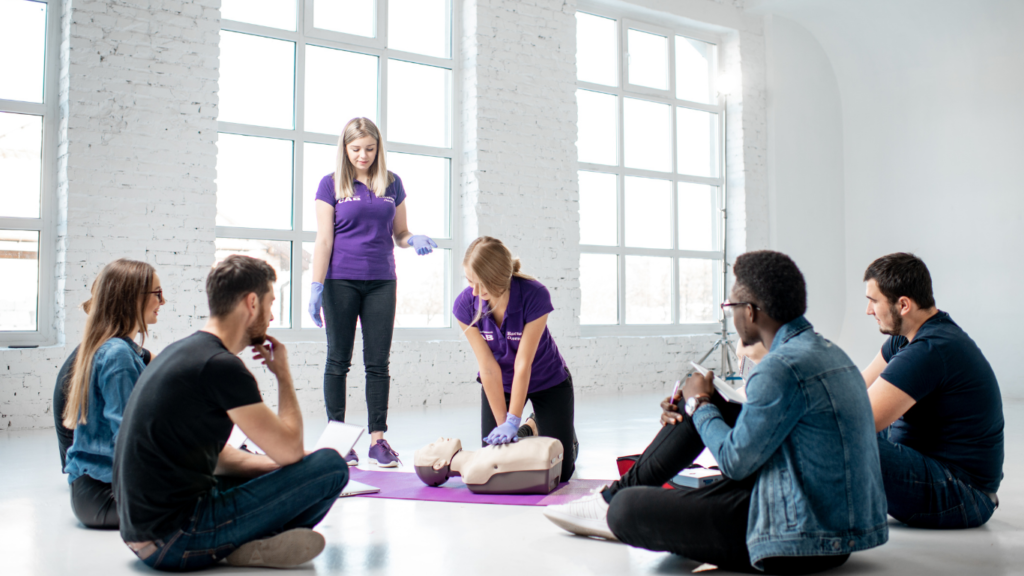
Online CPR courses have become increasingly popular because of their convenience. They allow learners to complete training quickly and fit certification into busy schedules. While online education plays a role in learning fundamentals, emergency response requires more than watching videos or answering quizzes.
When lives are at stake, hands-on skills training makes a critical difference.
CPR Is a Physical Skill — Not Just Information
CPR requires precise physical actions that must be performed correctly and consistently. Proper hand placement, compression depth, compression rate, and body positioning all affect how effective CPR will be.
These skills cannot be fully developed by watching demonstrations alone. Hands-on practice allows learners to feel the correct amount of pressure, adjust their technique in real time, and build the muscle memory needed to respond under stress.
Practice Builds Confidence During Emergencies
In emergency situations, hesitation can cost valuable time. Individuals who have not practiced CPR and First Aid skills often freeze or second-guess themselves when an incident occurs.
Hands-on training helps reduce panic by allowing participants to practice in a controlled, instructor-led environment. When staff have physically performed the skills before, they are more likely to act quickly and confidently when an emergency happens.
This confidence is especially important in assisted living facilities and workplace environments, where staff are often the first responders.
Real-World Scenarios Can’t Be Replicated Online
Emergencies rarely happen in ideal conditions. Hands-on skills sessions allow participants to practice realistic scenarios such as:
Responding to a choking resident or coworker
Performing CPR in tight or crowded spaces
Using an AED correctly and efficiently
Coordinating with team members during an emergency
Instructor-led sessions also allow immediate feedback and correction, helping participants improve technique and avoid common mistakes that could reduce effectiveness in real-life situations.
Compliance Alone Is Not the Same as Preparedness
Some online-only CPR courses may meet minimum certification requirements, but compliance does not always equal readiness.
Employers in healthcare, assisted living, and high-risk work environments carry the responsibility of ensuring their teams are truly prepared to respond to emergencies — not just certified on paper.
Hands-on training goes beyond meeting requirements by ensuring participants can actually perform life-saving skills when needed.
Preparing Teams for Real Emergencies
CPR and First Aid training should prepare individuals for real-life emergencies — not just help them earn a certificate. Hands-on skills sessions build confidence, improve response time, and strengthen team coordination during critical moments.
When training focuses on practical skills and real-world readiness, teams are better equipped to respond when every second matters.
Ready to Strengthen Your Team’s Emergency Response?
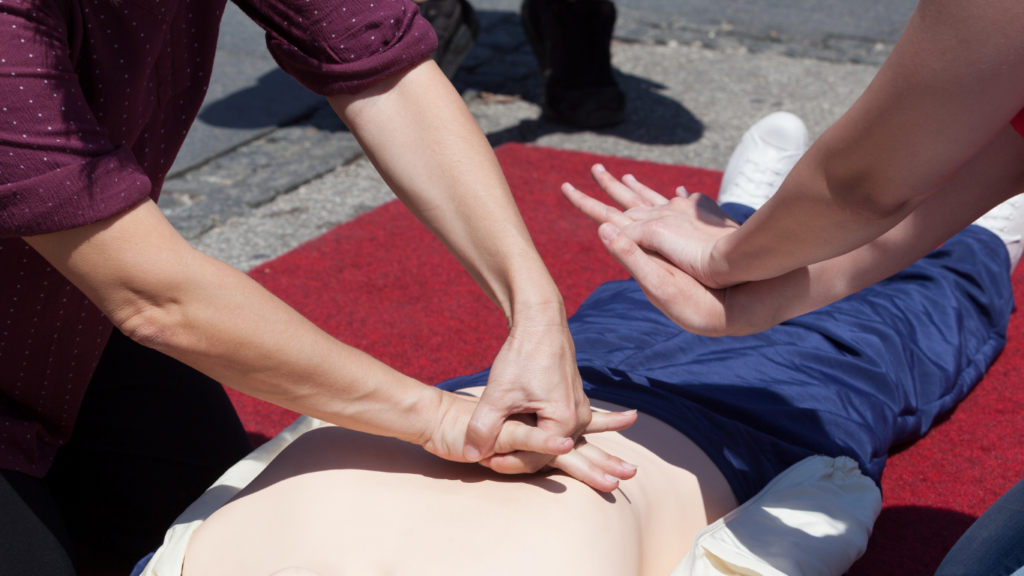
Hands-on CPR and First Aid training helps ensure your staff are prepared to act quickly and confidently during emergencies. Instructor-led sessions provide the practice and guidance needed to build real-life skills that make a difference.
Amara Career Training offers convenient, hands-on CPR and First Aid training tailored to healthcare, assisted living, and workplace safety teams.