
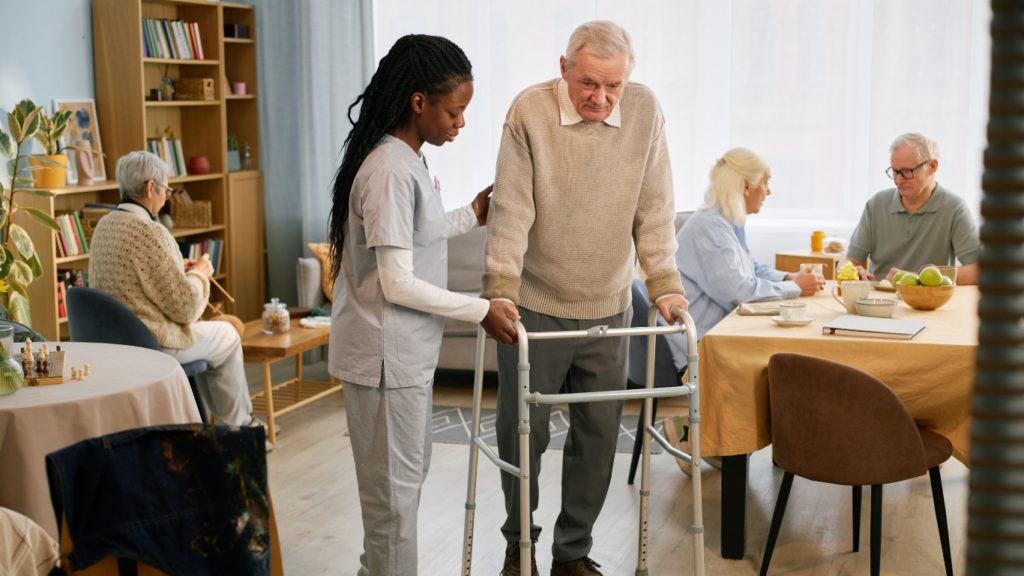
Senior care facilities are designed to provide comfort, support, and safety for older adults. Yet even in well-managed environments, medical emergencies can occur without warning. Preparing staff to respond quickly is critical for resident safety, well-being, and compliance.
At Amara Career Training, we understand the types of emergencies that are most likely to happen in senior care settings and how properly trained staff can make all the difference.
Common Medical Emergencies in Senior Care Facilities
Older adults are more susceptible to medical incidents due to chronic health conditions, mobility limitations, and age-related physiological changes. The most common emergencies include:
1. Cardiac Arrest
Sudden cardiac arrest can occur unexpectedly in seniors with heart disease, high blood pressure, or other underlying conditions. Immediate CPR and use of an AED can dramatically increase survival rates.
2. Falls and Traumatic Injuries
Falls are one of the leading causes of injury in assisted living facilities. Slips, trips, or falls from mobility aids can result in fractures, head injuries, or internal bleeding. Quick First Aid response can reduce complications and improve outcomes.
3. Choking or Respiratory Distress
Swallowing difficulties are common in older adults, increasing the risk of choking. Respiratory emergencies require immediate recognition and action to prevent hypoxia or cardiac arrest.
4. Stroke
Stroke symptoms can appear suddenly, including facial drooping, arm weakness, and speech difficulties. Early detection and rapid response are crucial to minimizing long-term damage.
5. Seizures
Some residents may have epilepsy or other neurological conditions that can trigger seizures. Staff trained in First Aid can help protect the resident from injury and provide proper emergency care.
Why Prepared Staff Make the Difference
Medical emergencies in senior care settings require immediate, confident response. Staff with hands-on CPR and First Aid training can:
Recognize early warning signs of distress
Perform life-saving interventions quickly
Coordinate with emergency services efficiently
Minimize risk and complications
Why Prepared Staff Make the Difference
Facilities can improve emergency readiness by:
Ensuring all staff are trained and up to date on CPR and First Aid certifications
Conducting regular emergency drills
Maintaining accessible AEDs and emergency equipment
Creating clear protocols for common medical emergencies
Proper training and preparation not only protect residents but also support regulatory compliance and enhance families’ trust in the facility.
Keeping Residents Safe Starts With Training
At Amara Career Training, we provide hands-on CPR and First Aid sessions specifically tailored for senior care environments. Our programs ensure that caregivers are confident, competent, and ready to respond when every second counts.
Ready to Prepare Your Staff for Medical Emergencies?
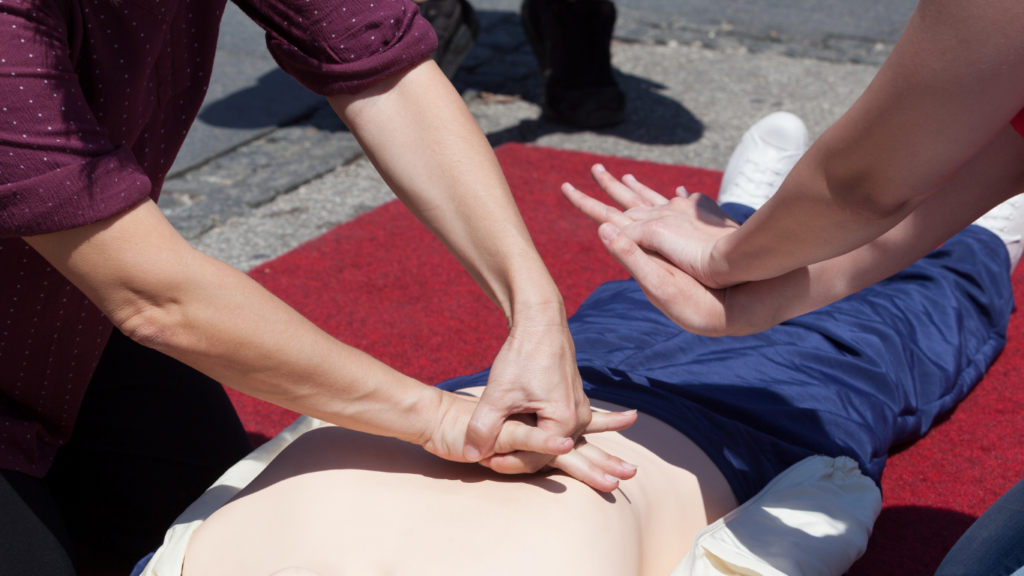
Investing in hands-on CPR and First Aid training helps senior care facilities protect residents, reduce risk, and strengthen emergency response capabilities.
Amara Career Training offers on-site sessions designed to equip your team with the practical skills and confidence they need to respond effectively during medical emergencies.