
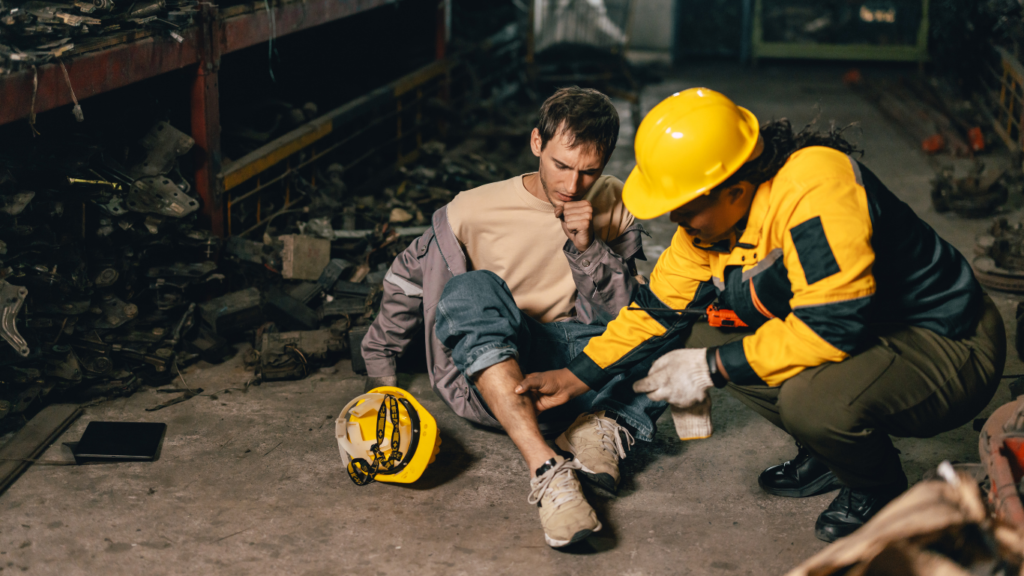
Construction sites are among the most hazardous workplaces. With heavy machinery, elevated work areas, sharp tools, and constant physical activity, accidents can happen in seconds. When an emergency occurs, immediate first aid can make the difference between a minor injury and a life-threatening situation.
Knowing how to respond quickly helps protect workers, prevent complications, and stabilize an injured person until professional medical help arrives. Below are some of the most common construction site emergencies that require immediate first aid and the essential steps workers should know.
Why First Aid Knowledge Is Critical on Construction Sites
Construction workers face a higher risk of injury compared to many other industries. Falls, cuts, burns, and equipment-related accidents occur frequently on job sites. In many cases, the first few minutes after an injury are the most important.
Having workers trained in first aid and CPR allows job sites to respond quickly when accidents occur. Immediate care can help:
Control severe bleeding
Prevent infections
Stabilize injured workers
Reduce the severity of injuries
Save lives in critical situations
Because emergency services may take time to arrive, trained workers on-site can provide the first line of response.
Severe Cuts and Lacerations
Sharp tools, metal edges, broken materials, and power equipment can easily cause deep cuts or lacerations on construction sites. These injuries can result in significant bleeding if not treated immediately.
First Aid Response
If a worker experiences a severe cut:
Apply firm pressure to the wound using a clean cloth or bandage.
Elevate the injured area if possible to help reduce bleeding.
Continue applying pressure until the bleeding slows or stops.
Cover the wound with a sterile dressing.
Seek medical attention if the cut is deep or bleeding does not stop.
Severe bleeding should always be treated as an emergency.
Falls from Heights
Falls are one of the leading causes of serious injuries in the construction industry. Workers may fall from ladders, scaffolding, roofs, or elevated platforms.
Falls can lead to head injuries, spinal damage, fractures, or internal injuries.
First Aid Response
If a fall occurs:
Do not move the injured worker unless they are in immediate danger.
Call emergency services right away.
Check for breathing and responsiveness.
Control any visible bleeding.
Keep the injured person calm and still until help arrives.
Moving someone with possible spinal injuries can worsen the condition, so keeping the person stable is critical.
Burns from Chemicals or Hot Surfaces
Construction workers may experience burns from chemicals, electrical equipment, welding tools, hot surfaces, or fires. Burns can range from minor skin damage to severe tissue injuries.
First Aid Response
For burn injuries:
Immediately remove the worker from the source of the burn.
Cool the burned area with clean, cool water for several minutes.
Remove tight clothing or jewelry near the burn if possible.
Cover the burn with a clean, sterile bandage or cloth.
Seek medical help for severe burns.
Avoid applying oils, creams, or ice directly to the burn, as these may worsen the injury.
Eye Injuries from Dust or Debris
Construction sites often contain flying debris, dust, chemicals, and particles that can easily enter the eyes. Eye injuries can occur when workers are cutting materials, drilling, grinding, or handling chemicals.
First Aid Response
If debris enters the eye:
Do not allow the worker to rub their eye.
Rinse the eye gently with clean water or saline solution.
Encourage the worker to blink to help flush out particles.
If the object remains stuck in the eye, seek medical attention immediately.
Protective eyewear is one of the most effective ways to prevent eye injuries on job sites.
Crush Injuries from Equipment or Materials
Heavy machinery, falling materials, and moving equipment can cause crush injuries on construction sites. These injuries can damage bones, muscles, and internal organs.
First Aid Response
If a worker experiences a crush injury:
Call emergency services immediately.
If safe to do so, remove the source of pressure.
Control any bleeding with direct pressure.
Keep the injured worker calm and still.
Monitor breathing and consciousness until help arrives.
Crush injuries can quickly become life-threatening, making rapid response essential.
Signs That an Injury Requires Immediate Medical Attention
While some injuries may appear minor at first, certain symptoms indicate a serious medical emergency. Workers should seek immediate medical assistance if someone experiences:
Heavy or uncontrolled bleeding
Loss of consciousness
Difficulty breathing
Severe burns
Suspected broken bones
Head or spinal injuries
Persistent chest pain
Severe swelling or deformity
Recognizing these warning signs allows workers to act quickly and ensure the injured person receives the care they need.
How First Aid Training Improves Job Site Safety
Proper first aid training prepares construction workers to handle emergencies with confidence. Workers who understand basic emergency response procedures are better equipped to protect themselves and their coworkers.
Training can help workers:
Respond faster to workplace injuries
Reduce the severity of accidents
Improve overall workplace safety
Support compliance with workplace safety standards
Provide life-saving care before medical professionals arrive
Construction sites that prioritize safety training create a stronger safety culture and reduce risks for everyone involved.
Ready to Prepare Your Construction Team for Job Site Emergencies?
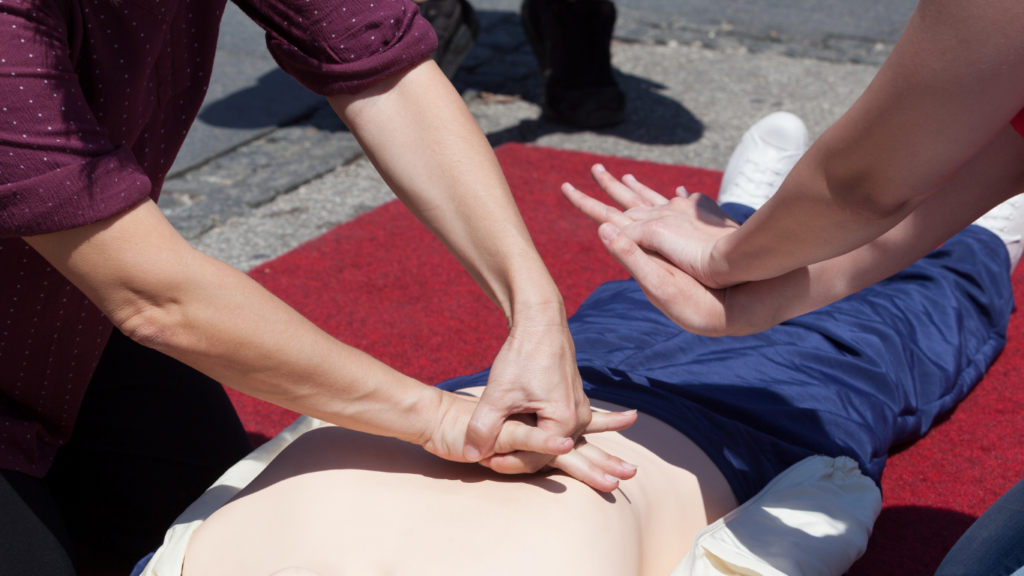
Construction sites can change in seconds, and when accidents happen, having trained workers on-site can make all the difference. Investing in hands-on CPR and First Aid training helps construction teams respond quickly to injuries, control emergencies, and protect workers until professional medical help arrives.
Amara Career Training offers on-site training sessions designed to equip construction workers, supervisors, and safety teams with the practical skills and confidence they need to respond effectively during job site emergencies.
Prepare your team with the knowledge that can help save lives and improve workplace safety.