
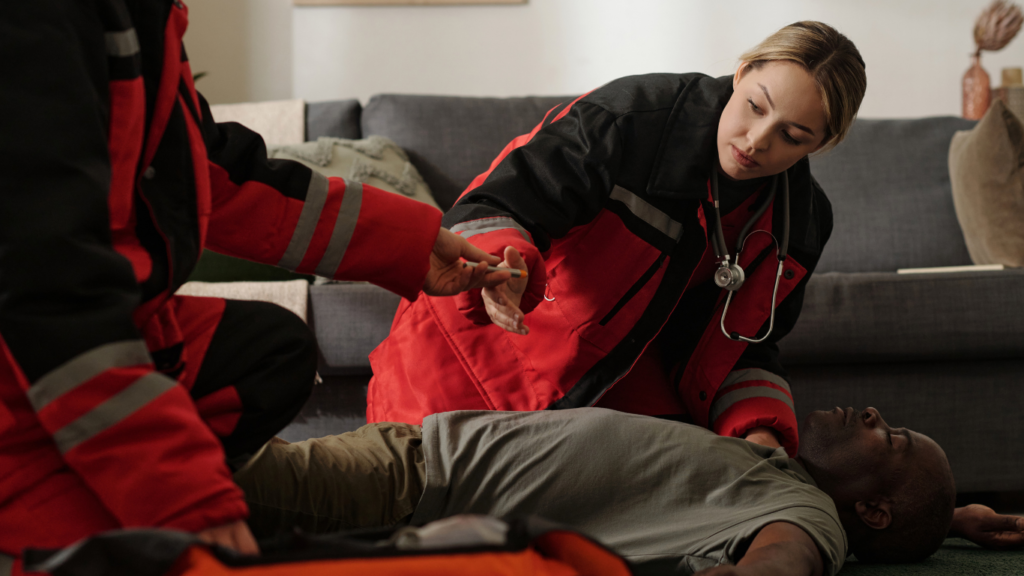
In healthcare environments, emergencies can occur without warning. Cardiac arrest, respiratory distress, and sudden patient deterioration require immediate action from healthcare teams. When every second matters, the ability of staff to respond quickly and confidently can make a life-saving difference.
Regular CPR training plays a crucial role in improving how healthcare teams respond during emergencies. Beyond learning technical skills, ongoing training strengthens teamwork, communication, and preparedness, helping healthcare professionals act efficiently when critical situations arise.
Why Emergency Response Teamwork Matters in Healthcare
Healthcare emergencies often require multiple staff members working together. Nurses, physicians, technicians, and support staff must coordinate their actions quickly to stabilize patients.
Effective emergency response depends on several key factors:
Clear communication among team members
Quick recognition of cardiac arrest or respiratory distress
Immediate initiation of CPR
Proper coordination during life-saving interventions
When staff regularly train together, they become more familiar with their roles during emergencies, which leads to smoother and faster response times.
Building Confidence Through Regular CPR Training
Healthcare professionals are trained to manage critical situations, but without consistent practice, emergency skills can become less effective over time.
Regular CPR training helps staff:
Maintain confidence in life-saving procedures
Refresh important emergency response skills
Reduce hesitation during critical moments
Stay familiar with updated CPR guidelines
When staff members feel confident in their skills, they are more likely to take immediate action when a patient experiences cardiac arrest or other medical emergencies.
Improving Communication During Medical Emergencies
During high-pressure situations, communication becomes one of the most important elements of a successful response. CPR training often includes simulated scenarios where team members practice communicating clearly while performing life-saving tasks.
These training exercises help healthcare teams:
Assign roles quickly during emergencies
Communicate patient status clearly
Coordinate CPR compressions and ventilation
Support efficient teamwork under pressure
Practicing these scenarios allows teams to work together more effectively when real emergencies occur.
Enhancing Speed and Efficiency of Emergency Response
In cases of cardiac arrest, immediate CPR significantly increases the chances of survival. Delays in starting chest compressions or using life-saving equipment can reduce positive outcomes for patients.
Regular CPR training ensures that healthcare teams:
Recognize cardiac arrest quickly
Begin CPR immediately
Use automated external defibrillators (AEDs) effectively
Follow proper emergency response protocols
Well-trained teams are able to respond faster and provide coordinated care during critical moments.
Strengthening Patient Safety and Quality of Care
Patient safety is a top priority in every healthcare setting. Ensuring that staff members are properly trained in CPR contributes to safer healthcare environments and better emergency preparedness.
Facilities that prioritize CPR training often see improvements in:
Emergency readiness
Staff confidence during crises
Patient safety outcomes
Overall quality of care
Investing in training supports both healthcare professionals and the patients they care for.
Why Ongoing CPR Training Is Essential
Healthcare guidelines and best practices evolve over time. Regular training ensures that healthcare teams stay updated with the latest CPR techniques and recommendations.
Consistent practice also helps teams maintain muscle memory and familiarity with emergency equipment. This preparation helps reduce uncertainty and improves performance during real emergencies.
By making CPR training a regular part of staff development, healthcare organizations can strengthen their ability to respond effectively when lives are at stake.
Ready to Strengthen Your Team’s Emergency Response Skills?
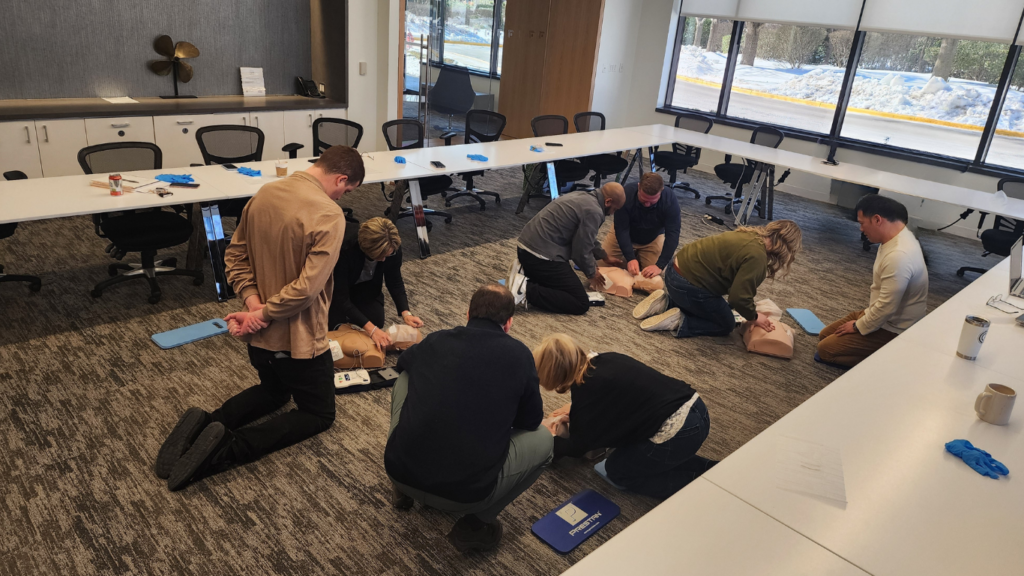
Investing in hands-on CPR training helps healthcare teams respond faster, communicate effectively, and provide life-saving care during medical emergencies.
Amara Career Training offers on-site CPR and First Aid training sessions designed to equip healthcare professionals with the practical skills and confidence they need to respond effectively when every second counts.