

Emergencies can happen anywhere, at any time. Whether it’s a sudden cardiac arrest, a choking incident, or a serious workplace injury, the first few moments are often the most critical.
Many people assume they would immediately step in to help. However, when faced with a real emergency, it’s common for employees to hesitate. That hesitation isn’t necessarily a lack of compassion—it’s often a lack of confidence.
Understanding why people hesitate is the first step toward creating a safer workplace. With proper CPR and First Aid training, employees can develop the knowledge and confidence needed to respond quickly when every second counts.
Why Hesitation Can Be Dangerous
During a medical emergency, time is one of the most important factors. Delays in providing assistance can increase the risk of serious complications and reduce the chances of a positive outcome.
Employees are often the first people on the scene before emergency medical services arrive. Their ability to recognize an emergency and respond promptly can make a significant difference.
That’s why reducing hesitation through training is an essential part of workplace safety.
1. Fear of Doing Something Wrong
One of the biggest reasons employees hesitate is the fear of making a mistake.
Many people worry that:
- They might perform CPR incorrectly.
- They could accidentally make the situation worse.
- They aren’t qualified enough to help.
How Training Helps
CPR and First Aid training teaches employees the correct techniques through hands-on practice and instructor guidance.
The more familiar employees become with emergency procedures, the more confident they are in taking action when it matters most.
2. Uncertainty About What Is Happening
Medical emergencies don’t always look the way people expect.
Employees may hesitate because they aren’t sure if someone is:
- Experiencing cardiac arrest
- Choking
- Having difficulty breathing
- Suffering from another medical emergency
How Training Helps
Training teaches participants how to recognize the warning signs of common medical emergencies and respond appropriately.
Knowing what to look for helps employees act faster instead of second-guessing themselves.
3. Panic Under Pressure
Emergencies are stressful situations, especially for individuals who have never experienced one before.
Without preparation, panic can make it difficult to think clearly or decide what to do next.
How Training Helps
Hands-on practice and realistic emergency scenarios help employees become more comfortable responding under pressure.
When they’ve practiced these skills before, they’re more likely to stay calm and focus on helping the person in need.
4. Waiting for Someone Else to Act
In group settings, employees sometimes assume someone else will take charge.
This delay—often called the “bystander effect”—can slow emergency response when immediate action is needed.
How Training Helps
CPR and First Aid training encourages employees to take responsibility, communicate clearly, and begin appropriate care while emergency services are on the way.
Prepared employees are more likely to step forward instead of waiting for others.
5. Lack of Practical Experience
Watching videos or reading emergency procedures is helpful, but responding during a real emergency requires more than theoretical knowledge.
Without practical experience, employees may doubt their abilities.
How Training Helps
Hands-on CPR and First Aid training allows participants to practice life-saving skills in a controlled environment.
This practical experience builds muscle memory, confidence, and the ability to respond effectively in real-world situations.
Confidence Changes Everything
Confidence doesn’t come from hoping you’ll know what to do—it comes from preparation.
Employees who receive regular CPR and First Aid training are more likely to:
- Recognize emergencies quickly
- Stay calm under pressure
- Respond with confidence
- Communicate effectively
- Work together as a team
Prepared employees help create safer workplaces where emergencies are managed more effectively.
Why Employers Should Invest in Training
Emergency preparedness is about more than meeting workplace safety expectations.
Organizations that invest in CPR and First Aid training demonstrate a commitment to:
- Employee well-being
- Workplace safety
- Risk reduction
- Emergency preparedness
- A culture of responsibility
When employees feel prepared, they’re more likely to respond with confidence instead of hesitation.
Ready to Build a More Confident and Prepared Team?
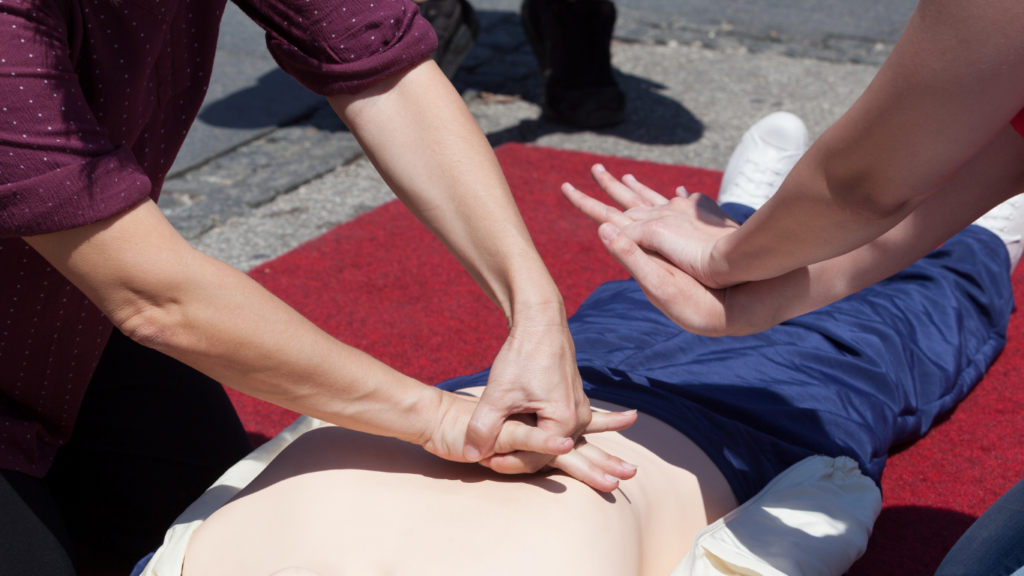
The best way to reduce hesitation during emergencies is through hands-on training. When employees know what to do and have practiced life-saving skills, they’re more likely to respond quickly and confidently when it matters most.
Amara Career Training offers on-site CPR and First Aid training designed to help workplaces strengthen emergency preparedness, improve employee confidence, and create a safer environment for everyone.
Equip your team with the skills they need to act—not hesitate.