
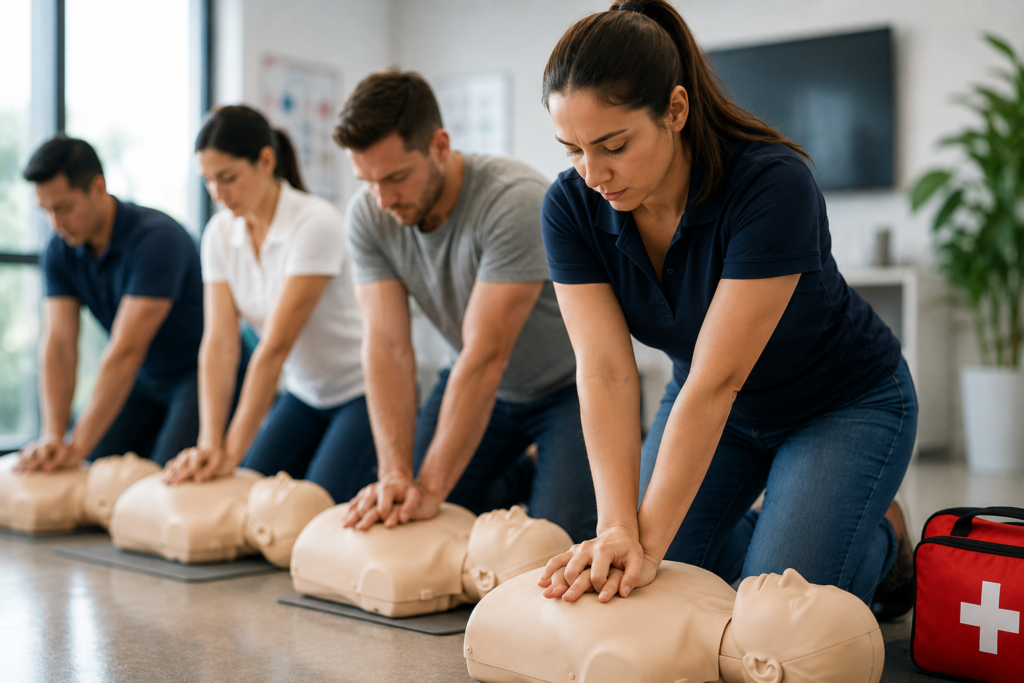
Earning a CPR certification is an important step toward being prepared for medical emergencies. However, becoming certified doesn’t mean those life-saving skills stay sharp forever.
Like many hands-on skills, CPR requires regular practice to maintain confidence, accuracy, and effectiveness. Without ongoing training, even experienced professionals can experience a decline in their ability to perform CPR correctly.
For employers and healthcare organizations, understanding how CPR skills change over time highlights the importance of regular refresher training—not just for compliance, but for improving emergency response when it matters most.
CPR Is a Hands-On Skill
Unlike memorizing information from a textbook, CPR is a practical skill that combines knowledge, physical technique, and quick decision-making.
Effective CPR requires responders to:
- Recognize signs of cardiac arrest
- Perform high-quality chest compressions
- Maintain the correct compression rate and depth
- Allow full chest recoil
- Use an Automated External Defibrillator (AED) correctly
- Communicate effectively with other responders
These skills improve through repetition and practice.
What Research Shows About Skill Retention
Studies on CPR education have consistently found that CPR knowledge and practical skills begin to decline after training if they are not reinforced through practice or refresher courses.
Common areas where skills may decline include:
- Compression depth
- Compression rate
- Hand placement
- AED confidence
- Emergency decision-making
This doesn’t mean certification loses its value—it simply reflects how people naturally forget physical skills they don’t use regularly.
Why Muscle Memory Matters
During a cardiac emergency, there isn’t time to stop and think through every step.
Responders rely heavily on muscle memory—the ability to perform physical actions automatically through repeated practice.
Regular hands-on CPR training helps strengthen muscle memory so responders can:
- Begin CPR more quickly
- Perform compressions correctly
- Stay focused under pressure
- Respond with greater confidence
The more often these skills are practiced, the more natural they become.
Confidence Can Fade Along With Skills
Even if someone remembers the CPR steps, they may hesitate if they haven’t practiced in a long time.
Employees often ask themselves:
- “Am I doing this correctly?”
- “Do I still remember the right technique?”
- “What if I make a mistake?”
This uncertainty can delay emergency response.
Refresher training helps restore confidence by giving participants the opportunity to practice their skills in a supportive learning environment.
CPR Guidelines Continue to Evolve
Another reason regular training is important is that CPR guidelines are periodically updated based on the latest medical research and best practices.
Renewing certification helps participants stay informed about:
- Updated CPR recommendations
- Changes in emergency response procedures
- AED best practices
- Current First Aid techniques
Staying current ensures responders are using the most effective methods available.
Why Refresher Training Benefits Employers
For employers, regular CPR training offers benefits that extend beyond maintaining certifications.
Organizations with well-trained employees often experience:
- Greater workplace preparedness
- Faster emergency response
- Increased employee confidence
- Stronger safety culture
- Better team coordination during emergencies
Investing in recurring training helps ensure that employees are ready to respond effectively when unexpected situations arise.
How Often Should CPR Skills Be Refreshed?
While CPR certifications are commonly renewed every two years, many organizations choose to provide refresher training more frequently.
Short practice sessions or periodic drills throughout the year can help reinforce important techniques and prevent skill decline.
Regular practice keeps emergency response skills fresh and helps employees remain confident in their abilities.
Building Long-Term Emergency Readiness
Emergency preparedness isn’t achieved through a single training session.
It is built through continuous learning, practice, and reinforcement.
Organizations that encourage ongoing CPR and First Aid education create workplaces where employees feel prepared to respond quickly, confidently, and effectively.
Prepared teams are better equipped to protect coworkers, patients, residents, and visitors during emergencies.
Ready to Keep Your Team's CPR Skills Sharp?
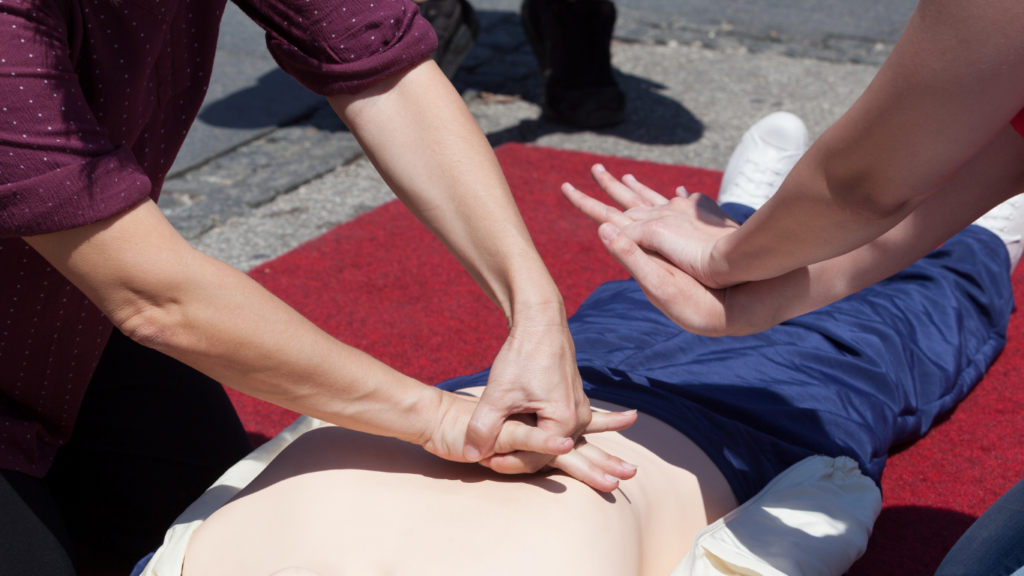
Life-saving skills are most effective when they’re practiced regularly. Ongoing CPR and First Aid training helps employees maintain confidence, improve emergency response, and stay prepared for real-world situations.
Amara Career Training offers on-site CPR and First Aid training designed to reinforce essential skills through hands-on instruction, helping organizations build safer, more confident, and emergency-ready teams.
Keep your training current—and your team prepared.