

Many businesses invest heavily in workplace safety measures, emergency equipment, and compliance programs. However, one critical area is often overlooked: ensuring employees are properly trained to respond during medical emergencies.
When a cardiac emergency or serious incident happens in the workplace, the absence of CPR-trained staff can lead to consequences that go far beyond the immediate situation.
The cost of not being CPR trained is not only financial—it can also impact employee safety, workplace liability, business operations, and even human lives.
Workplace Emergencies Can Happen Anywhere
Medical emergencies are unpredictable and can occur in any work environment, including:
- Offices
- Construction sites
- Warehouses
- Healthcare facilities
- Retail spaces
- Schools and educational institutions
Cardiac arrest, choking incidents, severe injuries, and sudden medical distress can happen without warning. In many cases, employees nearby become the first people expected to respond before emergency services arrive.
Without CPR training, critical minutes may be lost.
The Human Cost of Delayed Response
The most serious consequence of inadequate emergency preparedness is the potential loss of life.
During cardiac arrest, every minute without CPR significantly reduces the chances of survival. Immediate action helps maintain blood flow to the brain and vital organs while waiting for emergency medical professionals.
Without trained responders:
- Employees may panic or hesitate
- CPR may be delayed or performed incorrectly
- Medical outcomes may worsen
- The risk of permanent injury or death increases
In emergency situations, preparation can make a life-saving difference.
The Financial Impact on Businesses
Workplace emergencies can also create major financial consequences for organizations.
The costs associated with serious incidents may include:
- Workers’ compensation claims
- Increased insurance costs
- Medical expenses
- Operational downtime
- Productivity loss
- Legal expenses
While no organization can eliminate all workplace risks, having CPR-trained employees helps businesses demonstrate a proactive commitment to safety and preparedness.
Investing in training is often far less costly than dealing with the long-term consequences of an unprepared response.
Liability and Legal Concerns
Employers have a responsibility to provide a reasonably safe work environment for employees and visitors.
When organizations fail to prioritize emergency preparedness, questions may arise regarding:
- Safety procedures
- Staff readiness
- Emergency response protocols
In some situations, delayed or inadequate response during a medical emergency may increase legal and liability concerns.
Providing CPR and First Aid training helps organizations:
- Strengthen workplace safety programs
- Demonstrate due diligence
- Improve emergency preparedness efforts
- Reduce overall workplace risk
Prepared workplaces are better equipped to respond responsibly during critical situations.
The Impact on Workplace Confidence and Morale
Employees want to feel safe at work. Knowing that coworkers are trained to respond during emergencies helps create a greater sense of security throughout the workplace.
A lack of preparedness may lead to:
- Increased anxiety among staff
- Reduced confidence in workplace safety
- Hesitation during emergencies
On the other hand, organizations that invest in training often build:
- Stronger employee trust
- Better teamwork during emergencies
- A more proactive safety culture
Prepared teams feel more confident responding when emergencies occur.
Why CPR Training Is a Smart Business Investment
CPR and First Aid training should not be viewed as an optional workplace expense—it is an investment in employee safety, operational preparedness, and risk management.
Benefits of CPR-trained employees include:
- Faster emergency response
- Improved workplace preparedness
- Greater employee confidence
- Reduced workplace risk
- Stronger safety culture
Training provides employees with practical skills that can help save lives while protecting the organization as a whole.
Building a More Prepared Workplace
Emergency preparedness goes beyond simply having first aid kits or emergency equipment available. Effective response depends on having people who know how to act under pressure.
By investing in CPR training, employers create workplaces that are:
- Better prepared for emergencies
- More safety-focused
- More resilient during critical situations
Prepared employees can make a meaningful difference when every second matters.
Ready to Strengthen Workplace Safety and Emergency Preparedness?
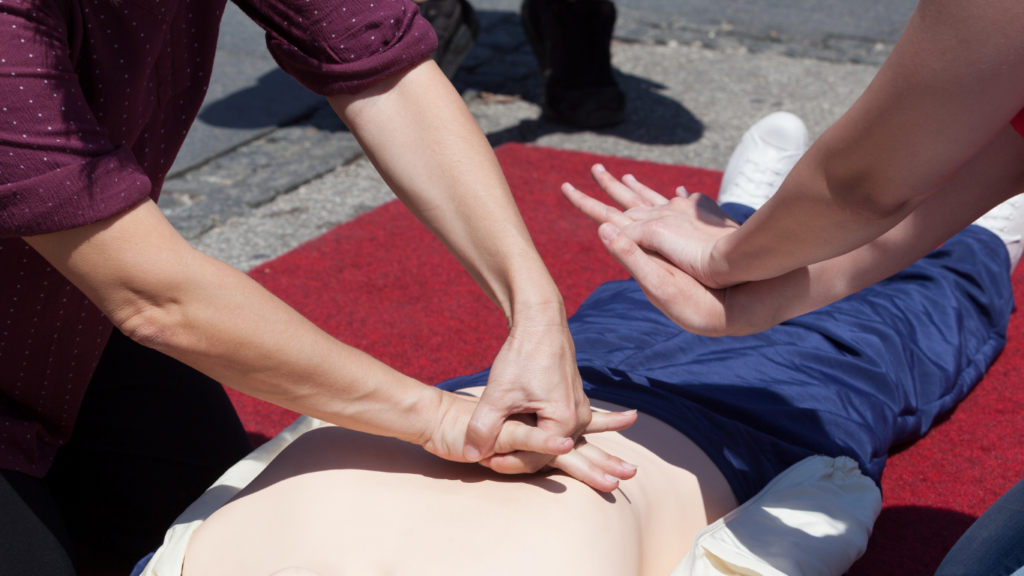
Investing in hands-on CPR and First Aid training helps organizations reduce workplace risk, improve emergency response, and prepare employees to act confidently during critical situations.
Amara Career Training offers on-site training sessions designed to equip your team with the practical skills and confidence needed to respond effectively when emergencies happen.
Protect your people, strengthen your workplace, and prepare your team for the moments that matter most.