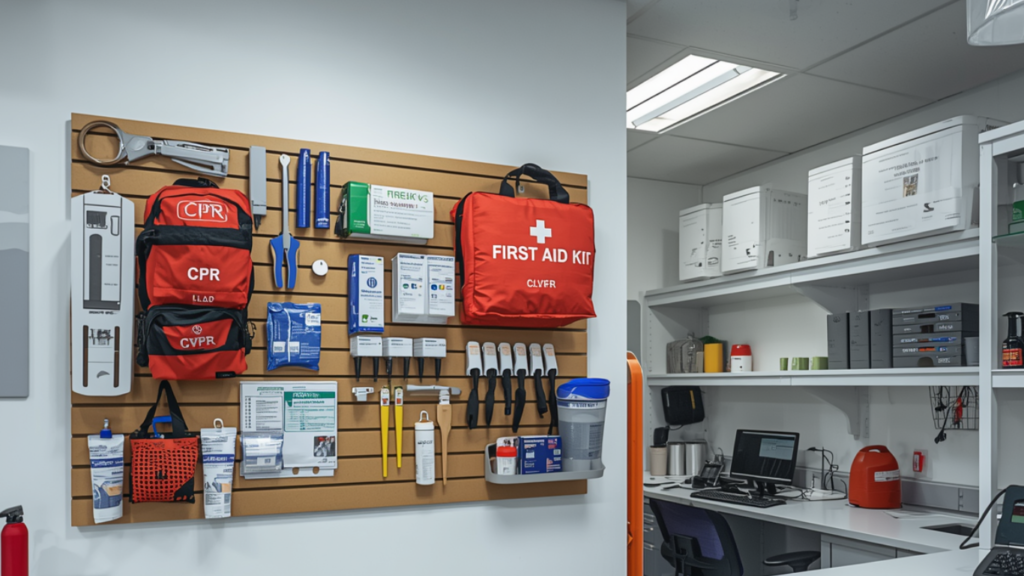
Many workplaces invest in first aid kits as part of their safety efforts—and that’s an important step. Having basic medical supplies available during emergencies can help provide immediate support when injuries happen.
But during a real emergency, a first aid kit alone is not enough.
Bandages, gloves, and emergency supplies are valuable tools, but tools are only effective when people know how to use them properly. In critical situations, having trained employees who can respond quickly and confidently is just as important as having emergency equipment on-site.
That’s why every workplace needs more than just a first aid kit—it needs prepared people.
Emergencies Can Happen Anywhere
Workplace emergencies are not limited to high-risk industries. Medical emergencies can happen in offices, retail stores, warehouses, healthcare facilities, schools, and virtually any work environment.
Some of the most common workplace emergencies include:
- Cardiac arrest
- Choking incidents
- Falls and injuries
- Severe bleeding
- Burns
- Sudden medical distress
When emergencies happen, employees nearby are often the first people available to respond before emergency services arrive.
A First Aid Kit Cannot Respond to an Emergency
A first aid kit provides supplies—but it cannot assess a situation, perform CPR, or make critical decisions during an emergency.
Without trained staff:
- Employees may panic or hesitate
- Emergency response may be delayed
- Injuries may become more severe
- Critical time may be lost
The effectiveness of emergency equipment depends on the people using it.
Why Training Makes the Difference
CPR and First Aid training equip employees with the knowledge and confidence to take immediate action during emergencies.
Trained employees can:
- Recognize signs of medical emergencies
- Perform CPR correctly
- Assist choking individuals
- Control severe bleeding
- Respond calmly under pressure
Quick action during the first few minutes of an emergency can significantly improve outcomes and potentially save lives.
The Importance of Fast Emergency Response
In emergencies such as cardiac arrest, every second matters. Survival rates can decrease rapidly if CPR is not started immediately.
Waiting for emergency responders without taking action may increase the risk of:
- Severe complications
- Permanent injury
- Loss of life
Having trained employees on-site helps bridge the gap until professional medical help arrives.
Building a Safer Workplace Culture
Providing CPR and First Aid training demonstrates a strong commitment to employee safety and well-being.
When workplaces prioritize emergency preparedness:
- Employees feel more confident and supported
- Teams respond more effectively during emergencies
- Safety awareness improves throughout the organization
Prepared employees contribute to a stronger and safer workplace culture.
Training Helps Reduce Workplace Risk
Emergency preparedness is an important part of workplace risk management. Organizations that invest in training are better equipped to handle unexpected situations responsibly.
Benefits of workplace CPR and First Aid training include:
- Faster emergency response
- Reduced severity of injuries
- Improved workplace preparedness
- Greater confidence among employees
Prepared teams help reduce uncertainty during critical moments.
Tools and Training Work Together
First aid kits remain an important part of workplace safety—but they should be viewed as only one part of a larger emergency preparedness plan.
The combination of:
- Proper emergency supplies
- CPR-trained employees
- Clear response procedures
creates a stronger and more effective workplace safety strategy.
Ready to Strengthen Your Workplace Emergency Preparedness?
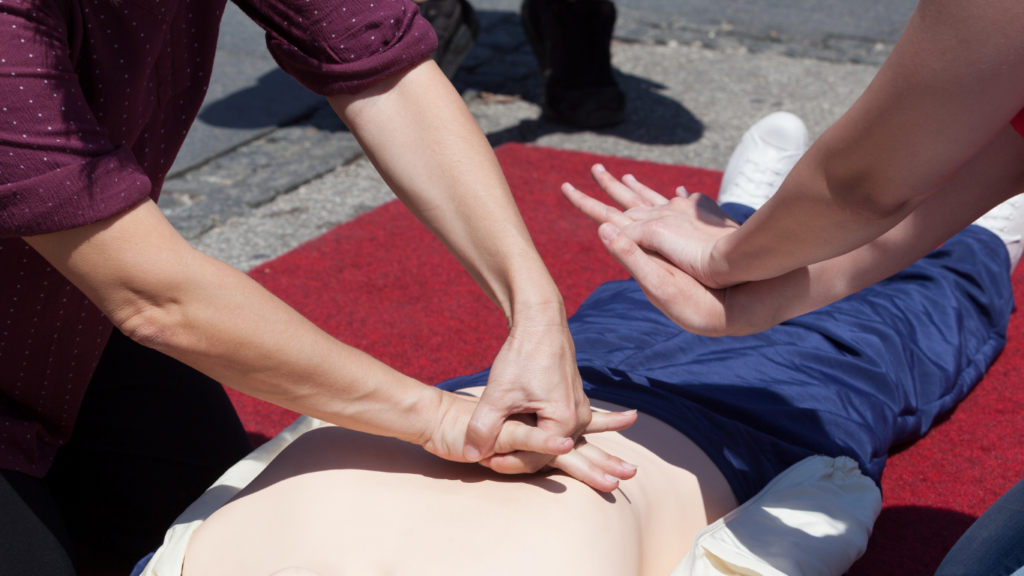
Having a first aid kit is important—but having trained employees who can respond during emergencies is what truly makes a difference.
Amara Career Training offers on-site CPR and First Aid training designed to equip your team with the practical skills and confidence needed to respond effectively when emergencies happen.
Prepare your workplace with more than just supplies—prepare your people.