
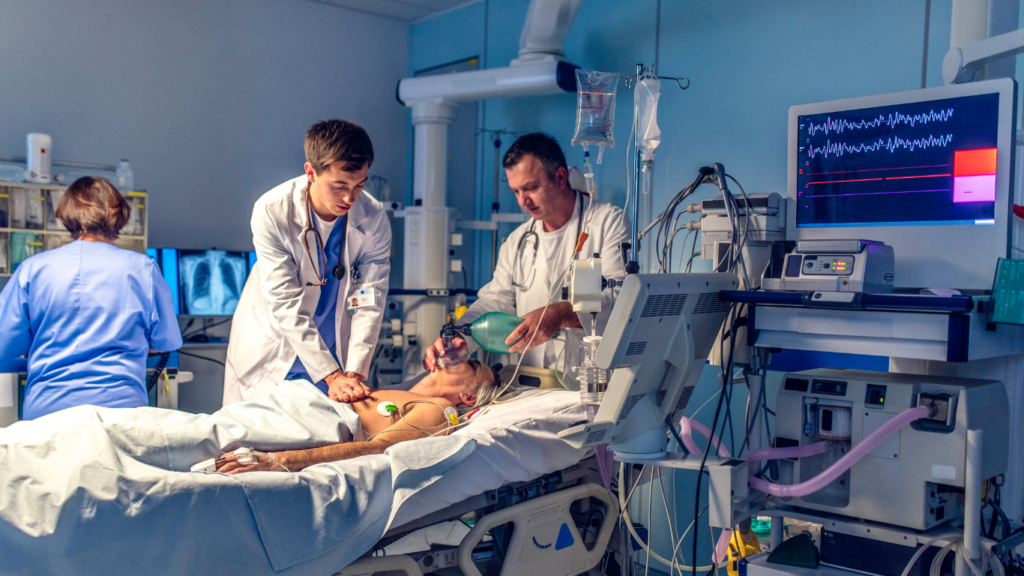
When a cardiac emergency happens, every second matters.
In healthcare settings, cardiac arrest can occur suddenly and without warning. Within moments, a person can lose consciousness, stop breathing, and require immediate life-saving intervention.
What many people don’t realize is this: the first five minutes are the most critical window for survival.
Understanding what happens during these first moments—and how to respond—can make the difference between life and death.
What Is a Cardiac Emergency?
A cardiac emergency, such as sudden cardiac arrest, occurs when the heart unexpectedly stops beating effectively. This prevents blood from flowing to the brain and other vital organs.
Without immediate intervention, serious damage can begin within minutes.
Minute 0–1: Collapse and Loss of Responsiveness
The emergency often begins suddenly. The individual may collapse, become unresponsive, and stop breathing normally.
At this stage:
- The heart is no longer pumping effectively
- Oxygen is not being delivered to the brain
- Immediate recognition is critical
What should happen:
A trained responder should quickly assess the situation, check for responsiveness and breathing, and call for emergency assistance.
Minute 1–2: Oxygen Deprivation Begins
Within the first minute, the brain begins to experience a lack of oxygen.
Without action:
- Brain cells start to become stressed
- The risk of permanent damage increases
What should happen:
CPR should begin immediately. Chest compressions help circulate oxygenated blood to the brain and vital organs, buying time until advanced care arrives.
Minute 2–3: Increased Risk of Brain Injury
As time passes without effective circulation, the risk of brain injury continues to rise.
During this stage:
- Brain function begins to decline
- The chances of recovery decrease
What should happen:
High-quality CPR must continue without interruption. If an Automated External Defibrillator (AED) is available, it should be used as soon as possible.
Minute 3–4: Critical Window for Intervention
By this point, the situation becomes even more urgent.
Without CPR or defibrillation:
- The likelihood of survival drops significantly
- Brain damage becomes more likely
What should happen:
Continue CPR and follow AED prompts if available. Clear communication among responders is essential to maintain an effective response.
Minute 4–5: Life-Threatening Consequences
After several minutes without intervention:
- Severe brain injury can occur
- Survival chances decrease dramatically
At this stage, every action—or delay—has a major impact on the outcome.
What should happen:
Sustained CPR and immediate use of an AED provide the best chance of survival until emergency medical services arrive.
Why Immediate Action Matters
Cardiac emergencies progress rapidly, but they are not always fatal—especially when someone nearby knows what to do.
Quick action can:
- Maintain blood flow to the brain
- Increase the chance of survival
- Reduce long-term complications
The difference between a positive outcome and a tragic one often comes down to how quickly CPR is started.
The Role of Training in Emergency Response
In high-pressure situations, hesitation can cost valuable time. Training helps healthcare professionals and staff respond quickly, confidently, and effectively.
With proper CPR training, responders can:
- Recognize cardiac emergencies immediately
- Start CPR without delay
- Use an AED correctly
- Work together efficiently as a team
Training turns uncertainty into action—and action saves lives.
Ready to Prepare Your Team for Life-Saving Situations?
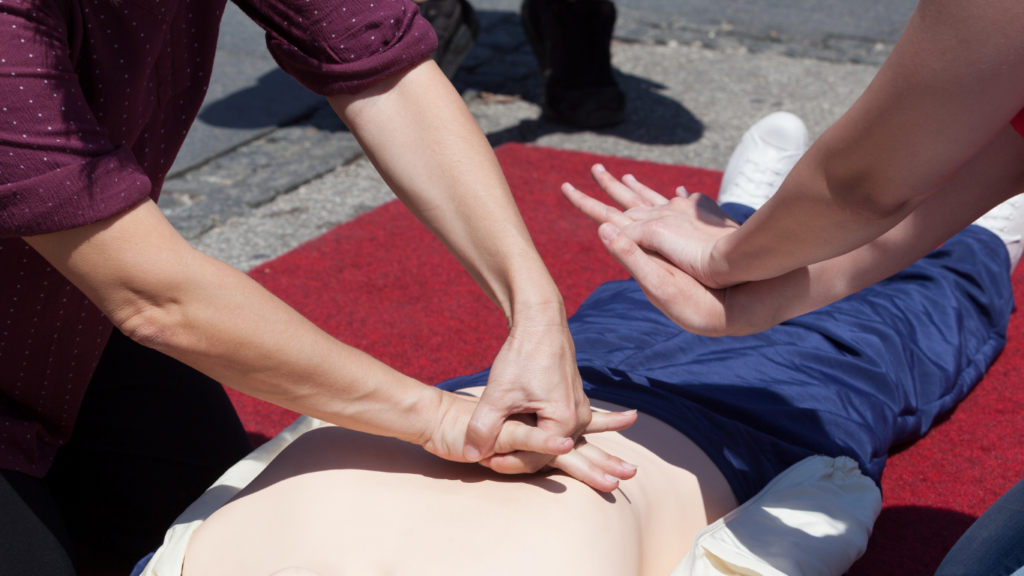
In cardiac emergencies, every second counts—and having trained responders on-site can make a critical difference. Investing in hands-on CPR and First Aid training helps healthcare teams act quickly, reduce risks, and improve patient outcomes.
Amara Career Training offers on-site training sessions designed to equip your staff with the practical skills and confidence they need to respond effectively during medical emergencies.
Be ready when it matters most.