
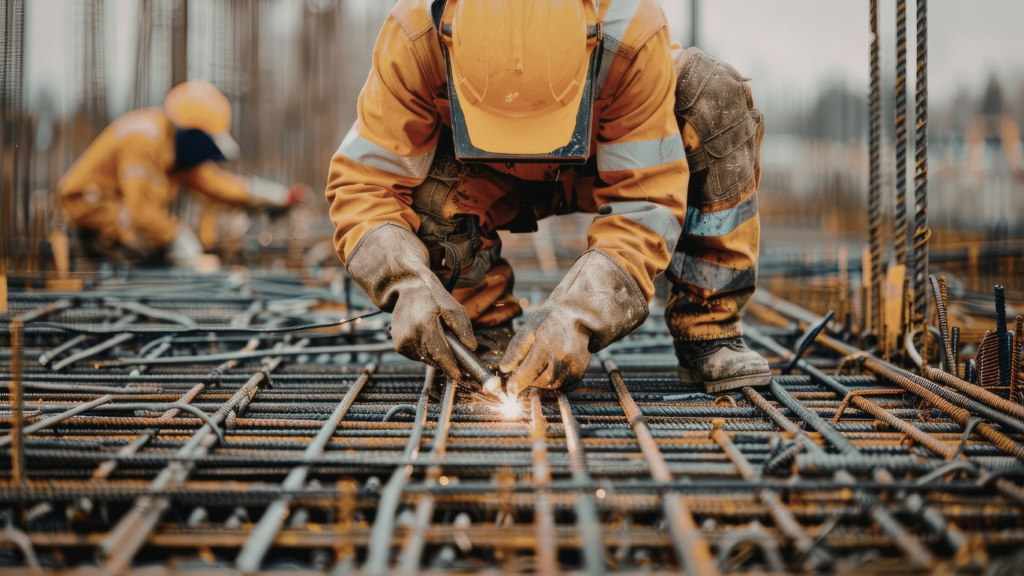
Construction sites are high-risk environments where accidents can happen despite strict safety protocols. From falls and equipment-related injuries to medical emergencies, the unexpected is always a possibility.
While prevention is essential, preparedness is equally important. CPR and First Aid training play a critical role in reducing workplace risk by ensuring employees can respond quickly and effectively when emergencies occur.
For employers, this training is not just about safety—it’s also about reducing liability, improving compliance, and protecting both workers and the business.
Understanding Workplace Risk in Construction
Construction remains one of the most hazardous industries, with workers exposed to physical risks daily. Even with proper safety measures in place, incidents such as falls, cuts, burns, and sudden medical emergencies can still occur.
When an emergency happens, delayed or improper response can lead to:
- More severe injuries
- Long-term health complications
- Increased liability for employers
- Higher medical and insurance costs
This is where CPR and First Aid training becomes a critical component of risk management.
How CPR & First Aid Training Minimizes Liability
Employers have a responsibility to provide a safe working environment. When workers are trained to respond to emergencies, companies demonstrate a proactive approach to safety.
Having trained personnel on-site helps:
- Provide immediate care before emergency services arrive
- Reduce the severity of injuries
- Show due diligence in workplace safety
- Strengthen legal protection in case of incidents
Proper training can help employers demonstrate that they took reasonable steps to protect their workforce, which can be important in liability-related situations.
Supporting OSHA Compliance and Safety Standards
Workplace safety regulations emphasize the importance of emergency preparedness. While requirements may vary depending on the job site, having employees trained in CPR and First Aid supports overall compliance efforts.
Training helps organizations:
- Align with workplace safety expectations
- Prepare for safety inspections
- Maintain proper emergency response readiness
- Reinforce safety protocols among workers
Compliance is not just about meeting regulations—it’s about creating a safer environment for everyone on-site.
Reducing the Severity of Workplace Injuries
In many cases, the outcome of an injury depends on how quickly care is provided.
Employees trained in CPR and First Aid can:
- Control bleeding immediately
- Assist injured workers safely
- Respond to cardiac emergencies
- Prevent conditions from worsening
Quick and effective response can significantly reduce the impact of injuries, leading to better recovery outcomes.
Improving Emergency Response Time on Job Sites
Construction sites are often large and fast-moving, which can delay access to medical assistance. Having trained workers on-site ensures that help is available immediately.
Faster response times can:
- Increase survival rates in critical situations
- Prevent complications
- Stabilize injured workers until help arrives
Time is a critical factor in emergencies, and trained employees help bridge the gap before professional responders arrive.
Building a Strong Safety Culture
Safety culture plays a major role in reducing workplace risk. When employees are trained and prepared, they are more likely to take safety seriously and look out for one another.
CPR and First Aid training contribute to:
- Increased safety awareness
- Greater accountability among workers
- Stronger teamwork during emergencies
- A proactive approach to risk management
A workplace that prioritizes safety training is better equipped to prevent and respond to incidents.
The Business Benefits of Risk Reduction
Reducing workplace risk goes beyond protecting employees—it also benefits the organization as a whole.
Employers may experience:
- Fewer workplace incidents
- Lower insurance and compensation costs
- Reduced downtime due to injuries
- Improved employee morale and retention
Investing in training is a practical step toward protecting both people and business operations.
Ready to Reduce Workplace Risk and Strengthen Job Site Safety?
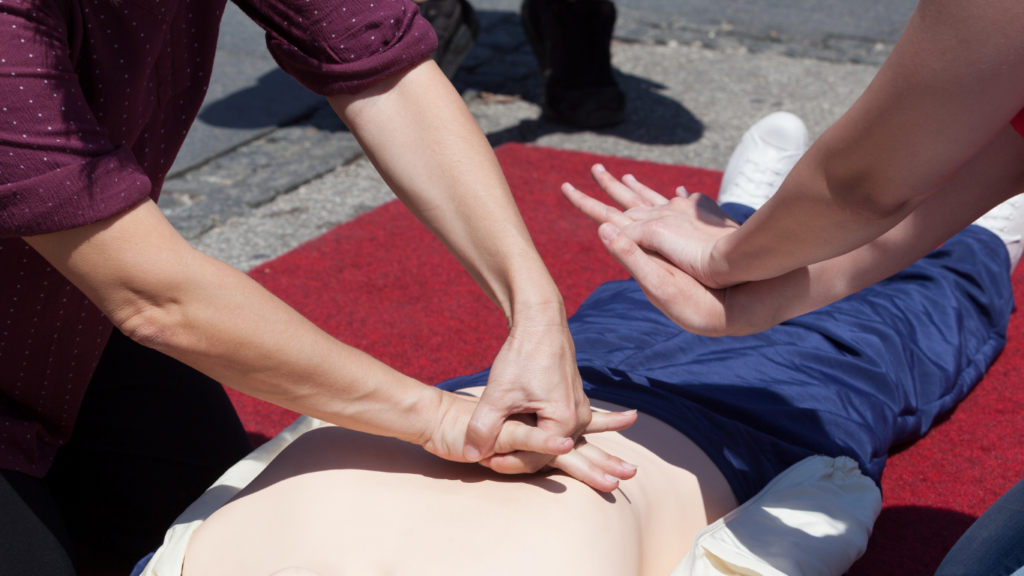
Investing in hands-on CPR and First Aid training helps construction teams respond quickly to emergencies, reduce liability, and create a safer work environment.
Amara Career Training offers on-site training sessions designed to equip your workforce with the practical skills and confidence needed to handle real-life job site emergencies.
Protect your team—and your business—by making safety training a priority.