

CPR is one of the most critical life-saving skills in healthcare. While certification ensures that providers understand the fundamentals, real-life emergencies can be high-pressure situations where even trained professionals may make mistakes.
These mistakes are often unintentional—but they can significantly impact patient outcomes. That’s why continuous training and awareness are essential.
In this article, we’ll explore some of the most common CPR mistakes even certified providers make and how to avoid them.
Why CPR Accuracy Matters
During cardiac arrest, every second counts. High-quality CPR helps maintain blood flow to vital organs, increasing the chances of survival.
Even small errors in technique or timing can reduce the effectiveness of CPR. This is why healthcare providers must not only be certified but also stay sharp through regular practice and training.
1. Inadequate Chest Compression Depth
One of the most common mistakes is not compressing the chest deep enough.
Effective compressions require adequate depth to circulate blood properly. Shallow compressions may not generate enough blood flow, reducing the effectiveness of CPR.
How to Avoid:
- Push hard and fast in the center of the chest
- Follow current CPR guidelines for proper depth
- Practice regularly to maintain proper technique
2. Incorrect Compression Rate
Maintaining the correct rhythm is essential. Compressing too slowly or too quickly can affect blood circulation.
How to Avoid:
- Aim for a steady, consistent pace
- Use training tools or feedback devices when available
- Practice maintaining rhythm during simulations
3. Not Allowing Full Chest Recoil
Failing to allow the chest to fully recoil between compressions is a common issue. Incomplete recoil prevents the heart from refilling with blood, which reduces circulation.
How to Avoid:
- Release pressure completely between compressions
- Avoid leaning on the chest
- Stay mindful of proper form during CPR
4. Interrupting Compressions Too Often
Frequent pauses in compressions can significantly reduce the effectiveness of CPR. Interruptions may occur during ventilation, equipment setup, or team coordination.
How to Avoid:
- Minimize pauses as much as possible
- Coordinate roles clearly within the team
- Resume compressions immediately after any interruption
5. Improper Ventilation Technique
Providing too much or too little air during rescue breaths can affect patient outcomes. Over-ventilation can increase pressure in the chest and reduce blood flow, while under-ventilation may not provide enough oxygen.
How to Avoid:
- Deliver controlled, effective breaths
- Avoid excessive ventilation
- Follow recommended ratios and timing
6. Delayed Use of AED
Automated External Defibrillators (AEDs) play a critical role in restoring heart rhythm during cardiac arrest. Delays in using an AED can reduce survival chances.
How to Avoid:
- Use the AED as soon as it becomes available
- Ensure staff are familiar with AED operation
- Include AED practice in regular training sessions
7. Poor Team Communication
In healthcare settings, CPR is often performed by a team. Lack of clear communication can lead to confusion, delays, and errors.
How to Avoid:
- Assign roles clearly during emergencies
- Communicate actions and observations out loud
- Practice team-based scenarios regularly
8. Skill Degradation Over Time
Even certified providers can experience skill decline if CPR is not practiced regularly.
Without ongoing training, muscle memory fades, and response time may slow down.
How to Avoid:
- Participate in regular refresher training
- Engage in hands-on practice sessions
- Stay updated with current CPR guidelines
The Importance of Continuous Training
Certification is not the final step—it’s the foundation. Regular CPR training helps healthcare providers maintain accuracy, confidence, and readiness during real-life emergencies.
Ongoing training ensures that providers can:
- Deliver high-quality CPR consistently
- Respond effectively under pressure
- Work efficiently as part of a team
- Adapt to updated guidelines and best practices
Ready to Strengthen Your Team’s CPR Skills and Performance?
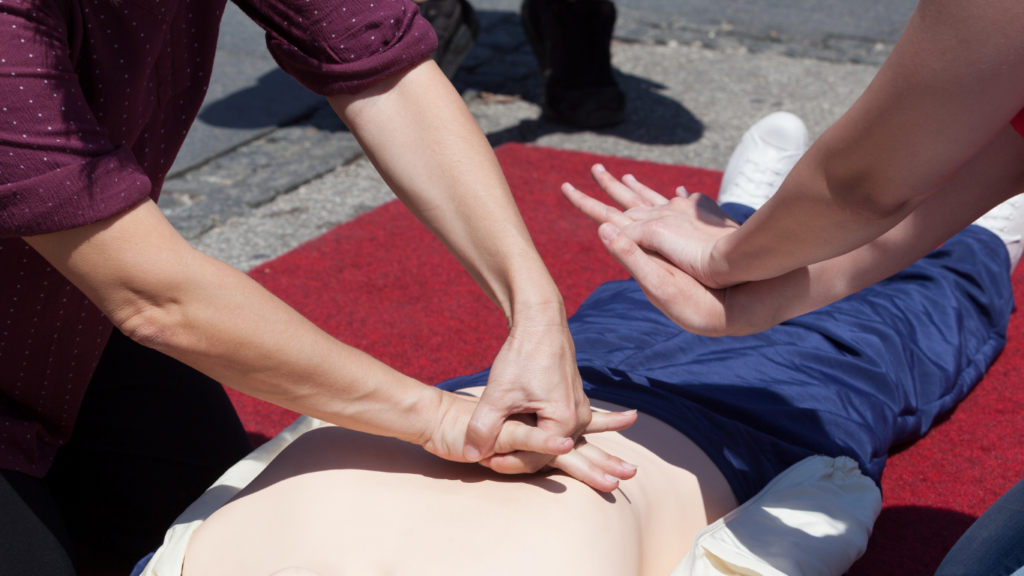
Even certified providers benefit from regular, hands-on training to maintain accuracy and confidence during real-life emergencies.
Amara Career Training offers on-site CPR and First Aid training designed to help healthcare professionals refine their skills, improve team response, and deliver high-quality care when every second counts.
Stay prepared. Stay confident. Save lives.