
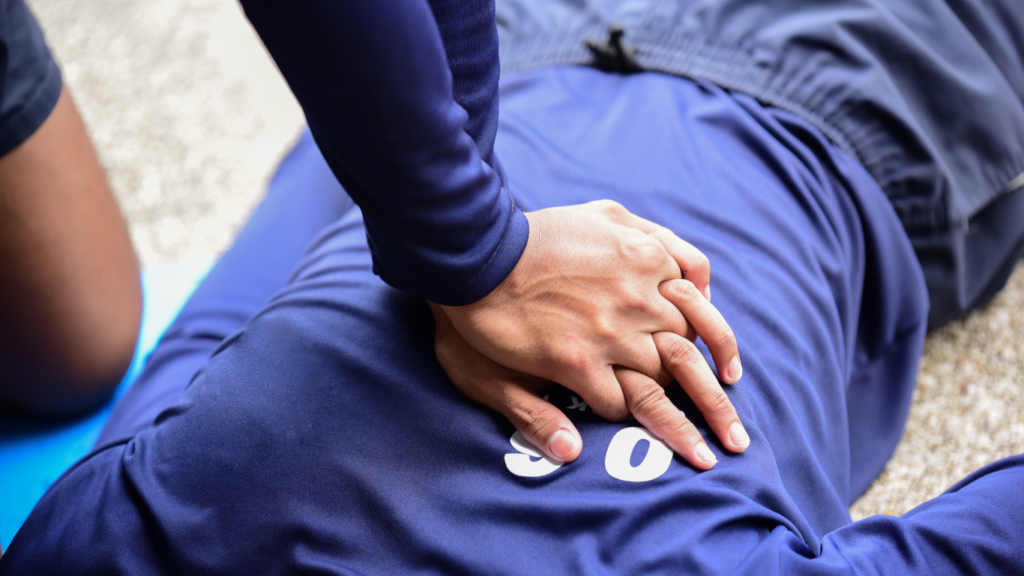
CPR training is often viewed as a workplace requirement or certification to renew every few years. But behind every CPR class is a much bigger purpose: preparing people to respond when someone’s life is on the line.
Medical emergencies can happen anywhere—at a healthcare facility, an assisted living community, a construction site, or even during an ordinary workday. In those critical moments, having someone nearby who knows CPR can make all the difference.
The following scenarios illustrate how CPR training can impact real-life emergencies and why preparedness matters.
Scenario 1: A Resident Experiences Cardiac Arrest During Breakfast
An assisted living facility begins its morning as usual. Residents are gathering for breakfast when one resident suddenly collapses and becomes unresponsive.
Staff quickly recognize that something is wrong. A trained caregiver immediately checks for responsiveness, calls for emergency assistance, and begins CPR while another employee retrieves an AED.
Because the team was trained and knew how to respond, valuable time was not lost waiting for help to arrive.
The Difference CPR Training Made
Without training, staff may have hesitated or been unsure what to do first. Instead, they were able to take immediate action and provide care during the most critical moments of the emergency.
Scenario 2: A Patient Suffers a Medical Emergency in a Healthcare Facility
A healthcare professional notices that a patient suddenly stops responding during routine care.
The team quickly activates emergency procedures. CPR is started immediately while other staff coordinate emergency response efforts.
Because everyone understands their role and has practiced emergency response skills, the team works together efficiently and confidently.
The Difference CPR Training Made
CPR training helps healthcare teams respond without hesitation, improving coordination and ensuring that every second is used effectively.
Scenario 3: A Construction Worker Collapses on the Job Site
On a busy construction site, a worker suddenly collapses during the afternoon shift.
Coworkers immediately recognize the emergency. One employee calls emergency services while another trained worker begins CPR.
In large work environments where emergency responders may take time to reach the exact location, immediate action from trained employees becomes especially important.
The Difference CPR Training Made
The worker received life-saving assistance during the critical period before emergency medical personnel arrived.
Scenario 4: A Visitor Experiences a Cardiac Emergency
Not all emergencies involve employees or residents.
Imagine a visitor entering a facility who suddenly experiences a cardiac emergency in a lobby or common area.
Because staff members have CPR training, they are prepared to respond regardless of who requires assistance.
The Difference CPR Training Made
Prepared employees can provide immediate support to anyone on-site, helping create a safer environment for everyone.
Scenario 5: Team Training Prevents Panic During an Emergency
One of the greatest benefits of CPR training is not just learning the technique—it is developing confidence.
During an emergency, untrained individuals may panic, freeze, or become unsure of what to do.
Trained responders are more likely to:
- Recognize the emergency quickly
- Take immediate action
- Communicate effectively
- Follow established procedures
The Difference CPR Training Made
Instead of confusion and hesitation, the situation is met with a calm, coordinated response.
Why These Scenarios Matter
While every emergency is different, one thing remains consistent: time matters.
In cardiac emergencies, immediate CPR can help maintain blood flow to vital organs while professional medical help is on the way.
The difference between acting quickly and waiting can significantly impact outcomes.
That is why organizations across healthcare, assisted living, and construction industries continue to prioritize CPR training as part of their emergency preparedness efforts.
CPR Training Is About More Than Certification
Many people think of CPR certification as a requirement to check off a list.
In reality, CPR training provides individuals with the knowledge and confidence needed to act during situations that may occur without warning.
The goal isn’t simply to earn a certification—it’s to be prepared when someone needs help most.
Ready to Prepare Your Team for Life-Saving Situations?
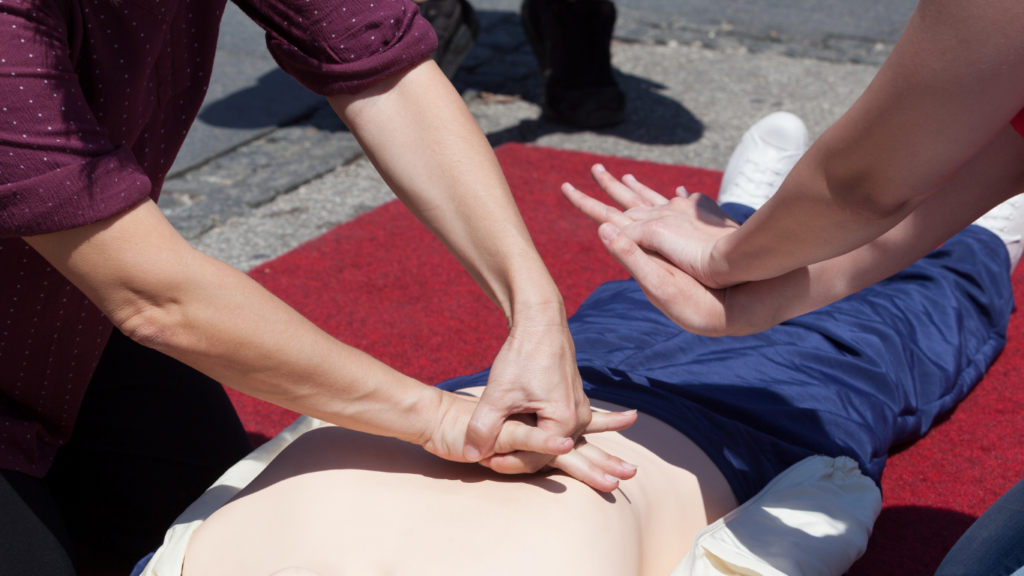
Medical emergencies can happen anywhere, and having trained responders on-site can make all the difference. Investing in CPR and First Aid training helps staff respond quickly, confidently, and effectively when every second counts.
Amara Career Training offers on-site CPR and First Aid training designed to equip employees with the practical skills and confidence they need to handle real-life emergencies across healthcare facilities, assisted living communities, construction sites, and workplaces of all kinds.
Give your team the training they need to be ready when it matters most.