

Most organizations believe they’re prepared for emergencies because they have a first aid kit, emergency exits, or safety procedures posted on the wall.
But when a real emergency happens, preparedness is tested by one simple question:
Does your team know what to do?
Whether it’s a cardiac emergency, choking incident, workplace injury, or sudden medical crisis, the first few minutes can significantly impact the outcome. Unfortunately, many workplaces discover gaps in their emergency preparedness only after an incident occurs.
Here are some common warning signs that your workplace may not be as prepared as it should be.
1. No One on Staff Is CPR Certified
One of the biggest red flags is having no employees trained in CPR and First Aid.
Medical emergencies can happen anywhere—even in offices, healthcare facilities, retail stores, warehouses, and construction sites. When no one knows how to respond, valuable time may be lost while waiting for emergency services.
Ask yourself:
- Who would respond if someone collapsed today?
- Would employees know how to perform CPR?
- Is anyone trained to use an AED?
If the answer is no, your workplace may be vulnerable during a critical situation.
2. Employees Are Unclear About Emergency Procedures
In an emergency, confusion can lead to delays.
If employees don’t know:
- Who to call
- Where emergency equipment is located
- How to respond to a medical emergency
- What their role should be
then your workplace may not be adequately prepared.
Emergency response plans are only effective when employees understand and practice them.
3. CPR Certifications Have Expired
Having trained employees is important—but keeping certifications current is equally important.
CPR guidelines evolve, and skills can decline over time without practice.
If certifications have expired or employees haven’t participated in refresher training, emergency response effectiveness may decrease when it’s needed most.
4. Emergency Equipment Is Difficult to Access
Many workplaces have emergency supplies available, but accessibility is often overlooked.
Consider:
- Is the first aid kit easy to find?
- Is the AED accessible?
- Do employees know where emergency equipment is stored?
Equipment that cannot be quickly located during an emergency may not be useful when every second counts.
5. Emergency Drills Are Rare or Nonexistent
Preparedness is not just about having a plan—it’s about practicing the plan.
If your workplace has never conducted:
- Emergency response drills
- CPR practice sessions
- Safety preparedness exercises
employees may struggle to respond confidently under pressure.
Practice helps transform knowledge into action.
6. Employees Lack Confidence in Responding to Emergencies
One of the clearest signs of poor preparedness is hesitation.
If employees say things like:
- “I wouldn’t know what to do.”
- “I’d wait for someone else.”
- “I’ve never been trained.”
your organization may have a significant preparedness gap.
Confidence comes from training, repetition, and hands-on experience.
7. Emergency Preparedness Is Treated as a One-Time Task
Many organizations view safety training as something that only needs to happen once.
However, preparedness is an ongoing process.
Workplaces change. Employees come and go. Procedures evolve. Skills fade.
Organizations that prioritize continuous training are typically better prepared to respond effectively during emergencies.
Why Emergency Preparedness Matters
Emergencies often occur without warning. While no organization can predict when an incident will happen, every organization can prepare for one.
Prepared workplaces often experience:
- Faster emergency response
- Greater employee confidence
- Improved workplace safety
- Better coordination during critical situations
- Reduced workplace risk
The goal isn’t to create fear—it’s to ensure employees have the knowledge and skills needed to respond when it matters most.
A Quick Workplace Emergency Preparedness Checklist
Ask yourself:
✅ Do we have CPR-certified employees?
✅ Are certifications current?
✅ Do employees know emergency procedures?
✅ Is emergency equipment easy to access?
✅ Do we conduct drills or refresher training?
✅ Would our team know how to respond if an emergency happened today?
If you answered “no” to any of these questions, it may be time to strengthen your workplace preparedness plan.
Ready to Strengthen Your Workplace Emergency Preparedness?
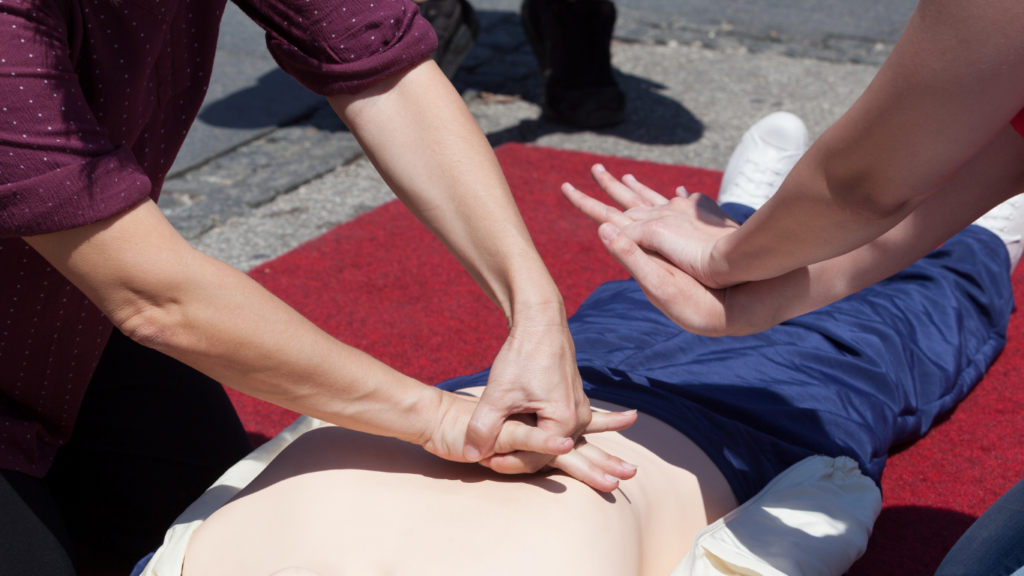
Identifying preparedness gaps is the first step toward creating a safer workplace. Investing in CPR and First Aid training helps employees respond confidently, act quickly, and support one another during emergencies.
Amara Career Training offers on-site CPR and First Aid training designed to equip teams with the practical skills and confidence they need to respond effectively when every second counts.
Prepare your people. Strengthen your workplace. Be ready when it matters most.