
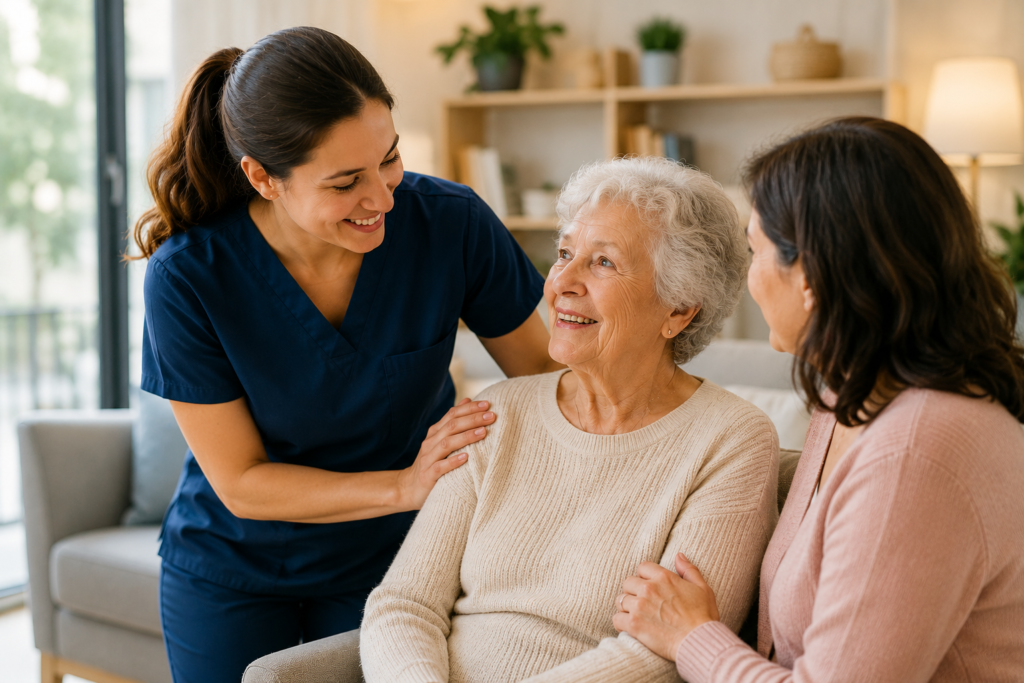
Choosing an assisted living or care facility is one of the most important decisions a family can make.
Families often consider the quality of the living environment, available services, staff experience, location, activities, and overall reputation. But there is another question that can be just as important:
How prepared is the staff to respond if a medical emergency happens?
For families entrusting the care of a loved one to a facility, knowing that employees are trained to respond during emergencies can provide an important sense of confidence and peace of mind.
Emergency preparedness isn’t simply a workplace requirement. From a family’s perspective, it is part of knowing that their loved one is in capable hands.
Safety Is a Top Priority for Families
When someone moves into an assisted living or senior care facility, their family expects staff to provide a safe and supportive environment.
Families may naturally want to know:
- What happens if a resident suddenly becomes unresponsive?
- How would staff respond to a choking emergency?
- Are employees trained in CPR and First Aid?
- How often does staff training take place?
- Does the facility have emergency procedures in place?
These questions don’t necessarily come from expecting an emergency to happen. They come from wanting reassurance that the facility is prepared if one does.
Emergencies Can Happen Without Warning
Even in well-managed care environments, unexpected medical situations can occur.
Residents may experience situations such as:
- Falls
- Choking
- Breathing difficulties
- Sudden illness
- Severe bleeding
- Loss of consciousness
- Cardiac emergencies
In these situations, staff members may be among the first people available to respond.
Having employees who understand emergency response procedures can help ensure that appropriate action is taken while additional medical assistance is being arranged.
CPR and First Aid Training Demonstrate Preparedness
When a facility invests in CPR and First Aid training, it demonstrates that emergency preparedness is taken seriously.
Training can help staff develop the ability to:
- Recognize potential emergencies
- Respond according to their training
- Communicate with other team members
- Use appropriate emergency equipment
- Remain calm during stressful situations
- Know when additional medical assistance is needed
For families, this can provide reassurance that staff aren’t simply hoping they will know what to do when an emergency occurs.
They have had the opportunity to learn and practice essential response skills.
Families Want Confidence in the People Caring for Their Loved Ones
Choosing a care facility involves a significant amount of trust.
Families are trusting staff members to care for someone who may need assistance with daily activities, mobility, medication management, or other aspects of everyday life.
That trust becomes even more important when something unexpected happens.
Knowing that staff members receive emergency response training can help families feel more confident that their loved one is being cared for by a team that takes preparedness seriously.
Training Can Help Staff Respond With Confidence
Emergencies can be stressful, particularly when someone has never practiced how to respond.
Training gives staff an opportunity to learn and practice skills before they are needed in a real situation.
Hands-on CPR and First Aid training can help employees become more familiar with:
- CPR techniques
- AED use
- Choking response
- Basic First Aid procedures
- Emergency communication
- Team-based response
Practice doesn’t eliminate the stress of an emergency, but it can help reduce uncertainty about what to do next.
Emergency Preparedness Is Part of Quality Care
Quality care isn’t limited to everyday activities.
It also includes preparing for situations that may not happen every day but could require immediate attention.
A facility that prioritizes emergency preparedness demonstrates a proactive approach to resident safety.
This can include:
- Keeping staff certifications current
- Providing CPR and First Aid training
- Reviewing emergency procedures
- Conducting appropriate drills
- Maintaining accessible emergency equipment
- Encouraging staff to continue developing their skills
These practices help make preparedness part of the facility’s overall culture.
Questions Families Can Ask When Choosing a Care Facility
Families don’t need to be emergency response experts to ask about preparedness.
During a facility tour or consultation, they may consider asking:
Are staff members trained in CPR and First Aid?
Understanding what emergency training staff receive can provide insight into the facility’s approach to preparedness.
How often is staff training renewed or refreshed?
Regular training can help employees maintain important emergency response skills.
What is the facility’s emergency response procedure?
Families can ask how staff are expected to respond when a resident experiences a serious medical emergency.
How does the facility prepare staff for unexpected situations?
The answer can provide insight into whether emergency preparedness is treated as an ongoing priority.
Prepared Staff Can Provide Families With Peace of Mind
No care facility can predict every emergency.
However, facilities can prepare their teams to respond appropriately when unexpected situations occur.
For families, that preparation can provide something extremely valuable: peace of mind.
Knowing that caregivers have received practical emergency response training can make families feel more comfortable about the care their loved ones receive.
Building Trust Before an Emergency Happens
Trust shouldn’t begin after something goes wrong.
It should be built through the actions a facility takes every day to protect its residents.
Investing in staff CPR and First Aid training is one way a care facility can demonstrate its commitment to safety, preparedness, and quality care.
When families see that a facility takes emergency preparedness seriously, they can feel more confident in their decision to entrust their loved one’s care to that organization.
Final Thoughts
Choosing a care facility is about more than finding a comfortable place to live. Families want to know that their loved ones will be cared for by people who are prepared for both everyday needs and unexpected emergencies.
CPR and First Aid training can help staff develop the practical skills and confidence needed to respond appropriately when emergencies occur.
For families, knowing that a care facility invests in trained and prepared employees can provide reassurance that their loved one’s safety is being taken seriously.
Prepared caregivers help build confident families—and trust begins with knowing your loved one is in capable hands.
Ready to Build a More Prepared Caregiving Team?
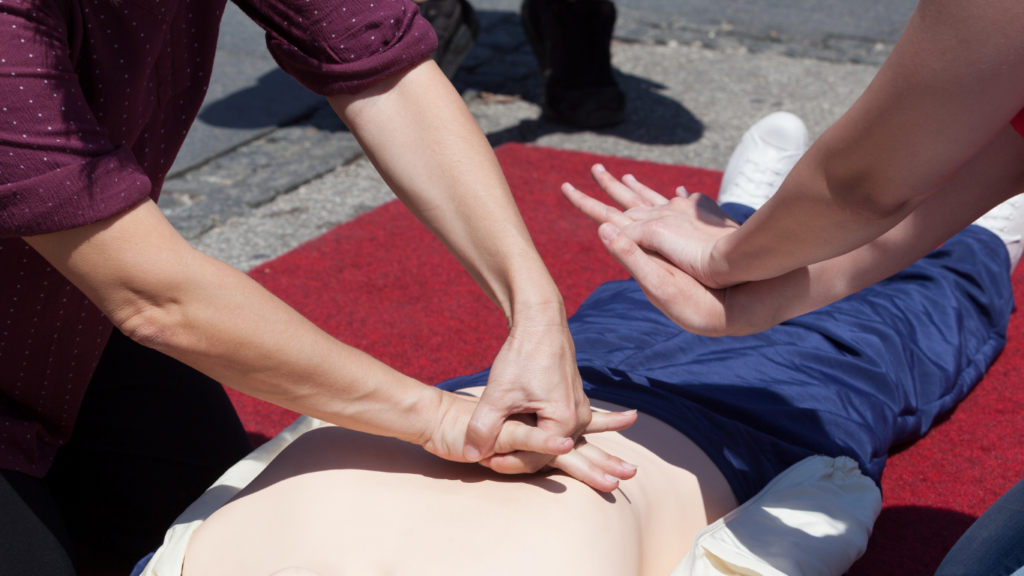
Families want confidence that their loved ones are being cared for by staff who are prepared for the unexpected.
Amara Career Training offers CPR and First Aid training designed for assisted living communities, healthcare facilities, and caregiving teams. Our hands-on training helps staff develop practical emergency response skills and the confidence to act when it matters most.
Prepare your caregivers. Strengthen your emergency readiness. Build family trust.