
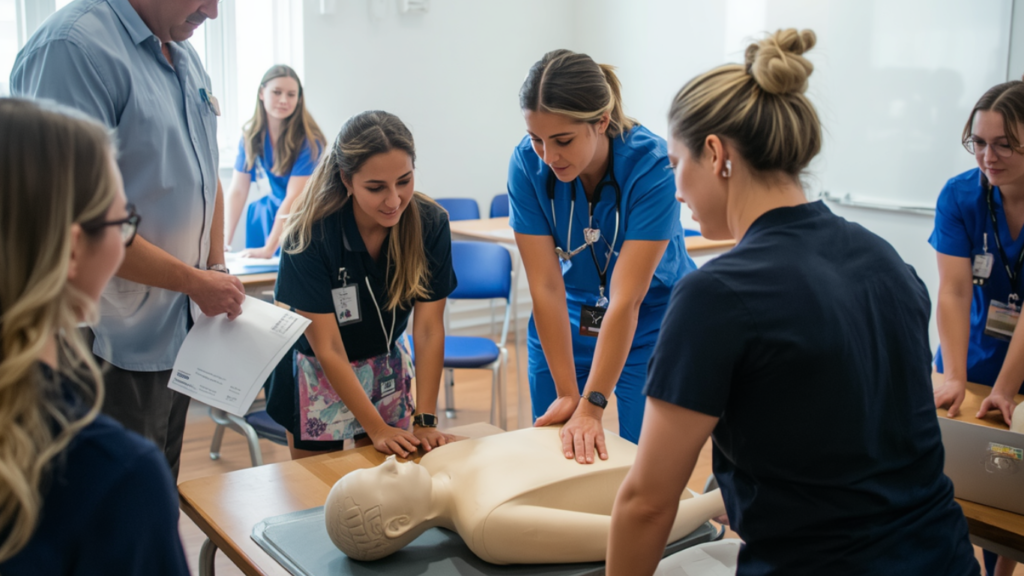
CPR certification is an essential part of emergency preparedness in healthcare environments. Whether working in hospitals, clinics, assisted living facilities, or other care settings, healthcare professionals must be prepared to respond quickly during medical emergencies.
However, CPR skills are not something employees can learn once and rely on forever. Over time, techniques, guidelines, and skill confidence can decline—making regular renewal an important part of maintaining effective emergency response.
So how often should staff renew CPR certification? The answer depends on workplace requirements, certification guidelines, and the importance of keeping life-saving skills current.
Why CPR Certification Renewal Matters
CPR is a hands-on skill that requires accuracy, speed, and confidence. In real emergency situations, hesitation or incorrect technique can affect patient outcomes.
Renewing CPR certification helps ensure that healthcare staff:
- Stay updated on current CPR guidelines
- Maintain confidence during emergencies
- Practice proper life-saving techniques
- Improve team emergency response
Regular renewal also helps reinforce muscle memory and decision-making during high-pressure situations.
Standard CPR Certification Renewal Timeline
In most healthcare settings, CPR certification is typically renewed every two years.
This renewal cycle helps ensure that healthcare professionals remain familiar with:
- CPR procedures
- AED usage
- Emergency response protocols
- Updated safety recommendations
Because CPR standards and best practices may change over time, regular recertification helps staff stay aligned with current guidelines.
Why Skills Can Decline Over Time
Even experienced healthcare professionals can experience skill degradation if CPR is not practiced regularly.
Studies and training observations have shown that:
- Compression quality may decrease over time
- Response confidence can decline
- Team coordination may become less effective without practice
This is especially important in healthcare environments where staff may need to respond immediately during cardiac emergencies.
Ongoing training helps keep these critical skills sharp and effective.
Signs Your Team May Need CPR Refresher Training
Even if certifications are still valid, refresher training may be beneficial if:
- Staff have not practiced CPR recently
- Employees lack confidence during emergency drills
- Emergency protocols have changed
- New team members have joined the organization
- There are gaps in emergency response performance
Short refresher sessions between certification renewals can help reinforce important skills and improve overall preparedness.
The Importance of Hands-On Practice
CPR is not just theoretical knowledge—it requires physical technique and real-time decision-making.
Hands-on training helps staff:
- Practice proper compression depth and rate
- Improve AED familiarity
- Strengthen communication during emergencies
- Build confidence under pressure
Practical experience is one of the most effective ways to maintain CPR readiness.
How Regular Renewal Supports Healthcare Facilities
Maintaining current CPR certification benefits not only staff members, but also the healthcare organizations they serve.
Regular renewal helps facilities:
- Strengthen emergency preparedness
- Support patient safety initiatives
- Maintain workplace compliance standards
- Improve staff confidence and coordination
Prepared teams are more likely to respond quickly and effectively when emergencies occur.
Why Ongoing CPR Training Matters in Healthcare
Medical emergencies can happen without warning, and healthcare professionals are often expected to respond immediately.
By prioritizing regular CPR certification renewal, healthcare organizations demonstrate a strong commitment to:
- Patient safety
- Quality care
- Emergency readiness
- Professional development
Consistent training ensures staff remain prepared for the moments when their skills matter most.
Ready to Keep Your Team CPR Certified and Emergency Ready?
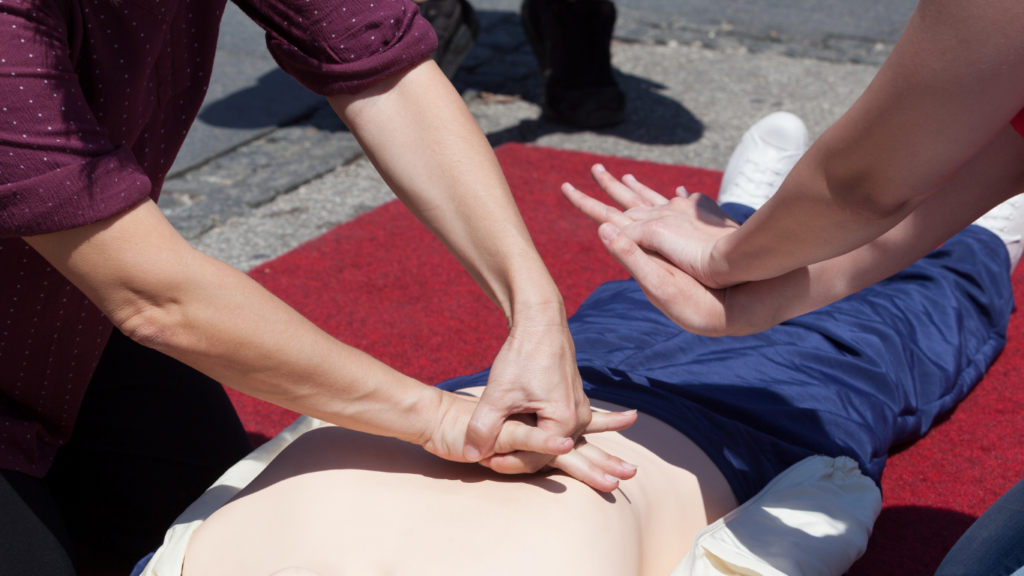
Regular CPR renewal training helps healthcare professionals maintain confidence, improve emergency response, and stay prepared for critical situations.
Amara Career Training offers on-site CPR and First Aid training designed to help healthcare teams stay current with certification requirements while building practical, hands-on skills that support patient safety.
Keep your staff prepared with training that makes a difference.