
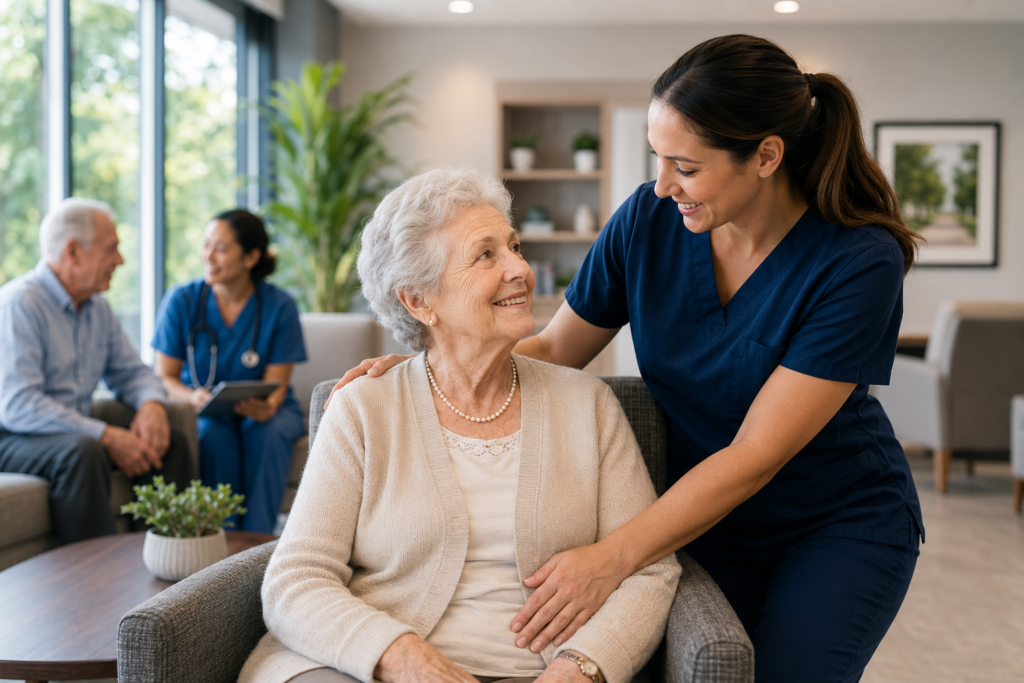
When families choose an assisted living community or healthcare provider, they’re placing something incredibly valuable in your hands—the health, safety, and well-being of someone they love.
While quality care, experienced staff, and comfortable facilities all play an important role, there’s another factor that significantly influences trust: emergency preparedness.
Patients and their families want reassurance that if an emergency happens, the people caring for them will know exactly what to do. Organizations that prioritize CPR and First Aid training demonstrate a commitment to safety, professionalism, and compassionate care.
Trust Begins with Feeling Safe
Whether someone is moving into an assisted living community or receiving care at a healthcare facility, safety is often one of the family’s biggest concerns.
Questions families commonly ask include:
- Will staff know how to respond during an emergency?
- Is the facility prepared for unexpected medical situations?
- Can I trust that my loved one will receive immediate care if something happens?
Having well-trained employees helps provide reassuring answers to these questions.
Emergencies Can Happen Without Warning
Medical emergencies don’t follow a schedule.
Residents and patients may experience:
- Cardiac arrest
- Choking incidents
- Falls and injuries
- Breathing difficulties
- Sudden medical complications
When emergencies occur, every second matters. Staff members are often the first people available to provide care while emergency medical services are on the way.
Prepared teams can make a critical difference during those first moments.
Families Notice a Commitment to Preparedness
Families pay attention to more than just the appearance of a facility.
They notice organizations that invest in:
- Ongoing staff training
- CPR and First Aid certification
- Emergency response procedures
- Regular safety drills
These efforts demonstrate that patient safety is not simply a policy—it’s part of the organization’s culture.
Preparedness helps build confidence before an emergency ever occurs.
Confidence Builds Trust
Trust grows when patients and families believe caregivers are capable, knowledgeable, and ready to respond.
Employees who receive regular CPR and First Aid training are more likely to:
- Remain calm under pressure
- Recognize medical emergencies quickly
- Respond confidently
- Work together efficiently as a team
This level of professionalism helps strengthen the confidence that families place in a healthcare organization.
Emergency Preparedness Reflects Quality of Care
Quality care extends beyond everyday medical treatment.
It also includes being prepared for the unexpected.
Facilities that prioritize emergency preparedness demonstrate:
- Commitment to resident and patient safety
- Continuous staff development
- High professional standards
- A proactive approach to risk management
These qualities contribute to a stronger reputation within the community.
Protecting More Than Health
A well-prepared response protects more than the individual experiencing the emergency.
It also helps protect:
- Family confidence
- Staff morale
- Organizational reputation
- Community trust
When employees respond quickly and professionally, families gain greater peace of mind knowing their loved ones are in capable hands.
Creating a Culture of Preparedness
Emergency preparedness should be an ongoing commitment rather than a one-time initiative.
Healthcare organizations can strengthen preparedness by:
- Providing regular CPR and First Aid training
- Keeping certifications current
- Conducting emergency response drills
- Reviewing emergency procedures regularly
- Encouraging continuous learning
Preparedness becomes most effective when it is part of the organization’s everyday culture.
Why Training Is an Investment in Trust
While CPR and First Aid training provide life-saving skills, they also communicate something equally important to patients and families:
“Your safety matters to us.”
Organizations that invest in training demonstrate a commitment to providing safe, compassionate, and professional care.
That commitment helps strengthen relationships with patients, residents, families, and the broader community.
Ready to Strengthen Patient Trust Through Emergency Preparedness?
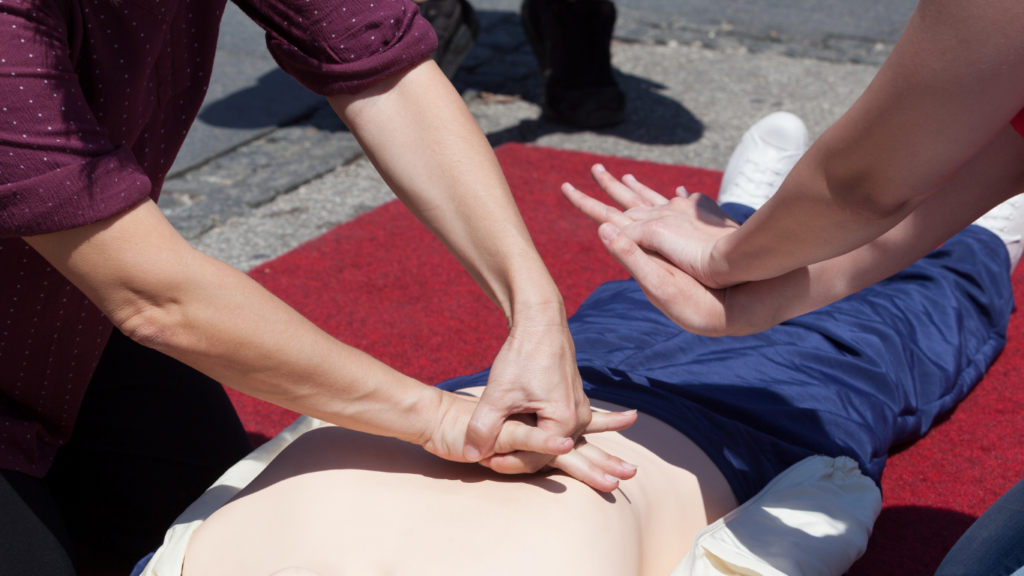
Families want to know their loved ones are in safe hands. Investing in CPR and First Aid training helps your staff respond confidently during emergencies while reinforcing your organization’s commitment to high-quality, compassionate care.
Amara Career Training offers on-site CPR and First Aid training designed to equip healthcare professionals and assisted living staff with the practical skills and confidence they need to respond effectively when every second counts.
Prepare your team. Build trust. Deliver safer care.