
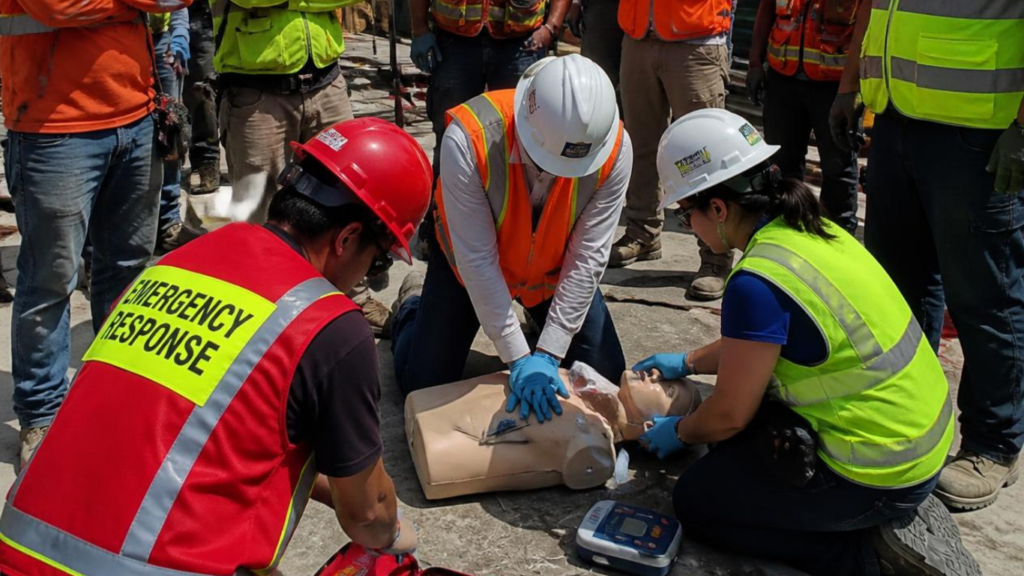
Construction site emergency response training is an essential part of a complete workplace safety program. PPE, safety procedures, hazard assessments, and proper equipment use all help reduce the risk of accidents and injuries.
However, even with the right precautions in place, accidents and medical emergencies can still happen.
A worker can suffer a fall, experience a serious injury, get hurt by equipment, or suddenly become unresponsive. In those critical moments, PPE alone cannot provide the emergency care a person may need.
That is why a complete safety program should focus on more than preventing accidents. It should also prepare employees to respond when an emergency occurs.
PPE helps protect workers before an accident. Emergency response training helps prepare people for what happens after.
Table of Contents
- PPE Is Essential, But It Cannot Prevent Every Emergency
- Why Construction Site Emergency Response Training Matters
- What Happens When Prevention Isn’t Enough?
- CPR and First Aid for Construction Workers
- How Emergency Response Training Reduces Hesitation
- Prevention and Preparedness Work Together
- Why Hands-On Training Matters
- Final Thoughts
PPE Is Essential, But It Cannot Prevent Every Emergency
Hard hats, gloves, safety glasses, high-visibility clothing, and other forms of PPE play an essential role in construction workplace safety. They help reduce exposure to hazards and may reduce the severity of certain injuries.
However, even strong safety procedures and proper PPE cannot prevent every incident.
Construction workers may still experience:
- Falls
- Cuts and severe bleeding
- Burns
- Equipment-related injuries
- Heat-related illness
- Choking
- Breathing emergencies
- Sudden loss of consciousness
- Cardiac emergencies
This is why workplace safety should not focus only on preventing accidents. Employers should also prepare their teams to respond when an emergency occurs.
Learn more about the common job site emergencies that require immediate First Aid and how prepared employees can respond to unexpected situations.
Employers can also review workplace safety and PPE guidance from OSHA as part of their overall safety program.
Why Construction Site Emergency Response Training Matters
Construction site emergency response training helps employees prepare for situations where immediate action may be needed.
During a serious emergency, workers may be among the first people available to help before emergency medical services arrive. Knowing how to recognize an emergency, call for help, and provide appropriate assistance within the scope of their training can make a critical difference.
A strong training program can help employees become more prepared to:
- Recognize when someone needs immediate help
- Respond according to their CPR and First Aid training
- Contact emergency services quickly
- Communicate clearly with coworkers
- Locate available emergency equipment
- Work together during an emergency
Having safety equipment available is important, but having trained people who know how to respond is equally important.
What Happens When Prevention Isn't Enough?
Imagine a worker suddenly collapsing on a construction site.
Coworkers may have access to PPE, emergency equipment, and a First Aid kit. But in that moment, the most important question becomes:
Does anyone know what to do next?
A trained and prepared employee may be able to recognize the emergency, call for help, begin CPR when appropriate, retrieve an AED if available, and provide assistance within the scope of their training.
Construction site emergency response training helps reduce uncertainty by giving workers the opportunity to learn and practice essential response skills before an actual emergency happens.
CPR and First Aid for Construction Workers
Not every workplace emergency involves CPR, but every construction team should understand the importance of basic emergency response skills.
CPR Training
CPR training helps employees learn how to recognize certain life-threatening emergencies and respond appropriately according to their training.
When a person experiences cardiac arrest, trained individuals can recognize the situation, activate the emergency response system, begin CPR, and use an AED when available and appropriate.
First Aid Training
First Aid training can help workers respond to common workplace injuries and emergencies, including:
- Bleeding
- Burns
- Falls and possible injuries
- Heat-related illness
- Choking
- Sudden illness
Training also helps employees recognize when additional medical care may be needed.
Emergency Response Skills Support a Safer Workplace
When workers have practical emergency response skills, they may feel more confident taking appropriate action instead of freezing or hesitating.
Construction site emergency response training complements other safety measures by preparing employees for the moments when prevention alone is not enough.
How Emergency Response Training Reduces Hesitation
Emergencies can be stressful, especially when employees have never practiced how to respond.
Without training, workers may hesitate because they are unsure:
- Whether the situation is serious
- What they should do first
- Who should call emergency services
- How to provide immediate assistance
- Whether they are doing the right thing
Hands-on training gives employees an opportunity to practice emergency response skills in a controlled environment.
Practice does not remove the stress of an emergency, but it can help reduce uncertainty and build confidence.
Regular training can also help employees maintain their emergency response skills over time. Read our article on why CPR skills fade over time without regular practice to learn more.
Ready to Strengthen Workplace Safety and Emergency Preparedness?
A complete workplace safety program should include both prevention and preparedness.
Prevention Focuses on Reducing Risk
- PPE
- Hazard identification
- Safety procedures
- Equipment inspections
- Job-specific safety training
Preparedness Focuses on Responding When Something Goes Wrong
- CPR and First Aid training
- Emergency procedures
- Accessible First Aid supplies
- AED access where appropriate
- Clear communication plans
- Employees trained to respond to emergencies
By including construction site emergency response training alongside preventive measures, employers can create a more complete approach to workplace safety.
CPR and First Aid training can also play an important role in reducing workplace risk. Learn more about how CPR and First Aid training reduces workplace risk.
Why Hands-On Training Matters
Emergency response is a practical skill. Reading about CPR or First Aid is not the same as practicing what to do.
Hands-on training gives employees the opportunity to practice essential skills, ask questions, and become more familiar with emergency response procedures.
For construction teams, practical training can help employees develop greater confidence in their ability to respond when an unexpected situation occurs.
Practical training can help employees build confidence through real-world skill practice. You can also learn more about why hands-on training is more effective than online-only CPR courses.
Final Thoughts
PPE is a critical part of construction workplace safety. It helps protect workers and reduce exposure to many hazards.
However, even the strongest prevention measures cannot eliminate every risk.
That is why employers should prepare for both sides of workplace safety: preventing incidents and responding when emergencies occur.
Construction site emergency response training helps workers develop practical skills and confidence to recognize emergencies and take appropriate action while waiting for professional medical assistance.
PPE helps protect before an accident. Emergency response training helps prepare your team for what comes next.
When prevention and preparedness work together, construction workplaces can build a stronger and more complete safety program.
Ready to Complete Your Construction Site Safety Program?
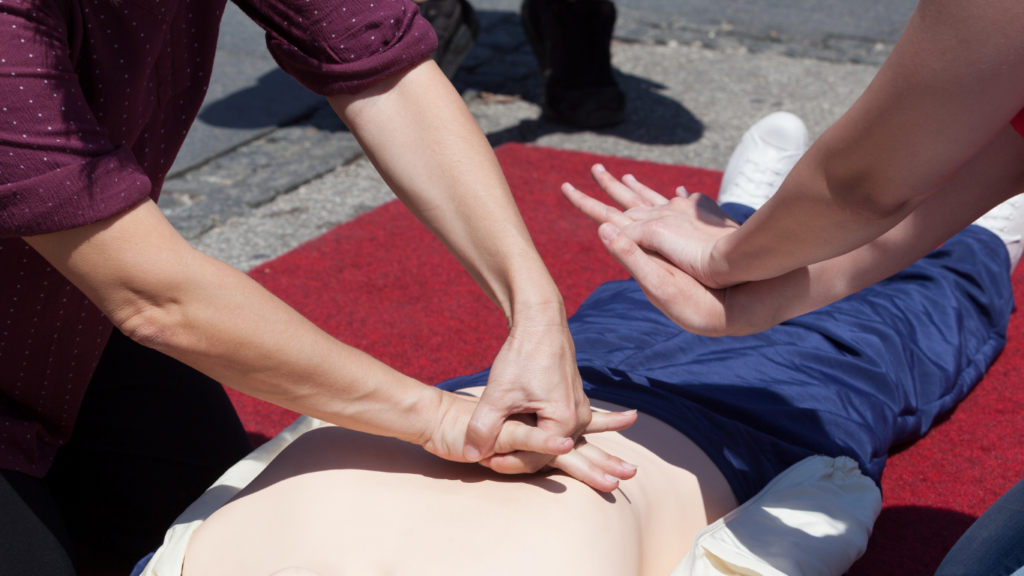
PPE and safety procedures are essential, but a well-prepared workplace also needs employees who know how to respond when an emergency occurs.
Amara Career Training offers hands-on CPR and First Aid training to help construction teams develop practical emergency response skills and greater confidence under pressure.
Give your employees the opportunity to practice the skills they may need when every second matters.
Strengthen your safety program. Prepare your team. Be ready to respond.